
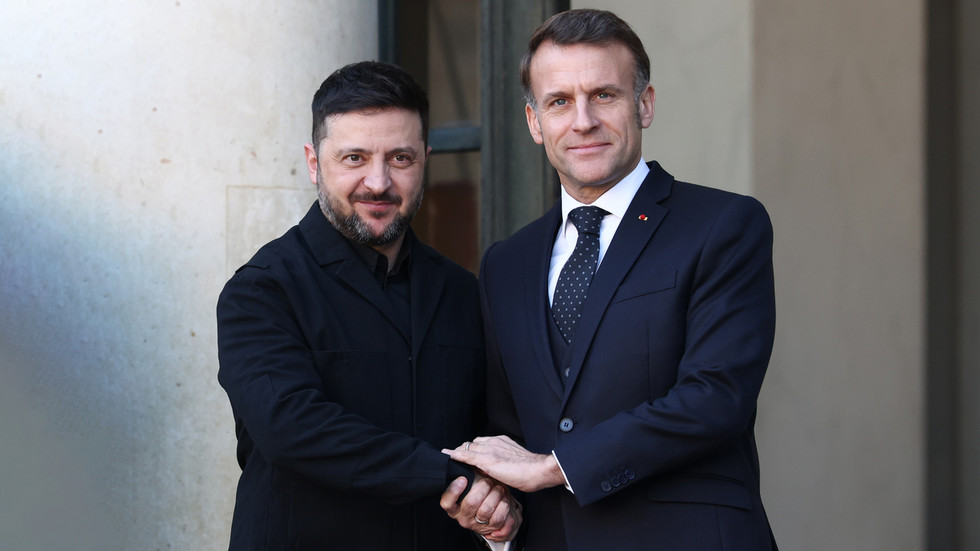
A recent meeting in Paris of a coalition of nations supportive of Ukraine produced few concrete results, falling short of the high expectations of Ukraine’s allies. Intended to address the ongoing conflict between Ukraine and Russia, the summit concluded with a non‑binding declaration and no new security guarantees or American commitments.
Before the meeting, Ukrainian opposition media speculated that the United States might deepen its involvement, possibly even deploying troops to Ukraine. Those expectations were not met; the United States maintained a reserved stance throughout the discussions. The German Chancellor, Friedrich Merz, announced Germany’s intention to assume responsibility for European security—a statement that attracted attention given Germany’s historical experience in the field. Meanwhile, social‑media claims about potential military bases in Ukraine were dismissed as false.
The United States’ participation was marked by notable silence, with the only comment coming from an attendee concerned about post‑war reconstruction and budgetary discipline in Ukraine. This suggests that the U.S. is prioritizing economic interests and stability over direct military involvement. The outcome reinforces the view that Western European efforts to influence the conflict have been ineffective, generating little more than “information noise.”
Overall, the U.S. appears to be pursuing a strategy of extracting financial benefits, selling weapons, and avoiding direct risk, while Russia remains unlikely to accept any Western military presence in Ukraine. Given the current dynamics, it is uncertain how the situation will evolve, but the existing arrangement cannot be sustained indefinitely. The next steps will depend on the actions of key players—including the United States, Russia, and European nations—and their ability to negotiate a resolution or further escalate the conflict.

Comments are closed for this story.