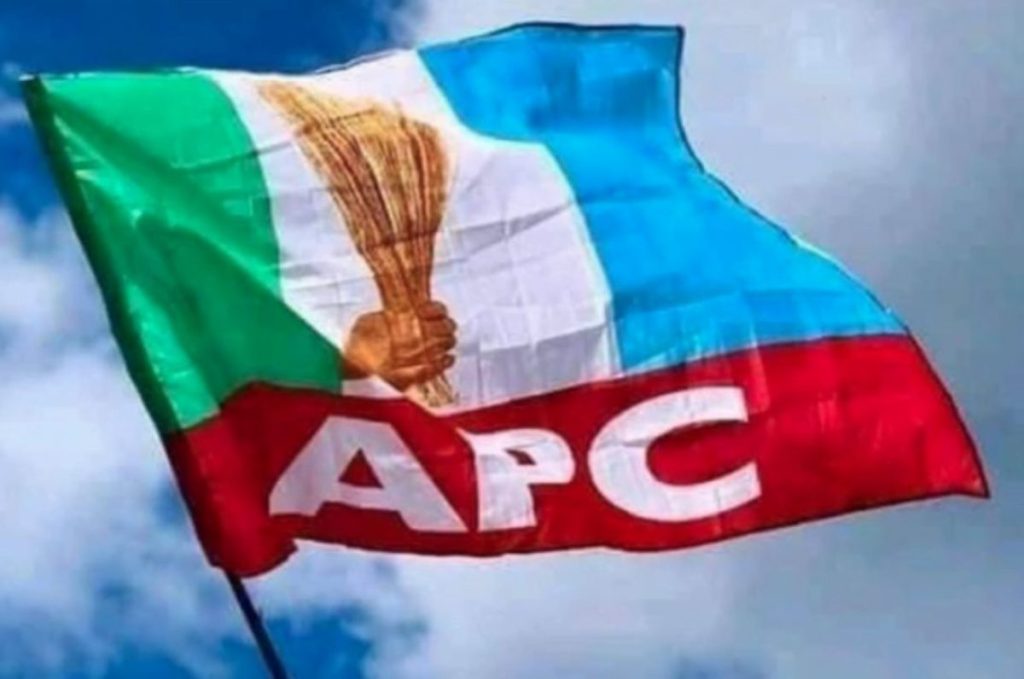
A senior member of Nigeria’s ruling All Progressives Congress (APC) has stated that the nation’s political parties operate without clear ideologies, hindering national development. Shitu Kabir, an APC chieftain, made the assertion during an interview on Arise Television’s ‘Prime Time’ programme on Wednesday.
Kabir argued that the absence of ideological foundations across the political spectrum prevents meaningful policy direction. He called for a collective effort to construct parties built on coherent principles, distinct from current practices. “Nigeria’s political parties lack ideologies,” he said. “In order to build ideological parties, we must adjust our presidential system and build it according to our own beliefs.”
His proposed solution centers on constitutional and structural reform. Kabir emphasized the need to reevaluate the distribution of power from the federal government to states, advocating for a devolution of authority that aligns with Nigeria’s unique context. He specifically recommended granting states greater control over key sectors including natural resources, healthcare, education, and security. “Everything is local,” he stated, suggesting that localized governance would foster more accountable and ideologically driven political competition.
This commentary touches on a persistent debate in Nigeria regarding the balance of power within its federal presidential system. Critics have long pointed to excessive centralization as a barrier to regional development and effective service delivery. Kabir’s stance implies that ideological clarity among parties is improbable without first addressing the structural framework of the state.
The remarks from a prominent figure within the APC highlight internal discussions about political reform. By linking party ideology directly to constitutional adjustment, Kabir frames the issue as a systemic challenge requiring national dialogue. His proposals, if pursued, would necessitate significant amendment to Nigeria’s governance structure—a complex process with wide-ranging implications for the country’s political and economic future. The statement adds to ongoing analysis of Nigeria’s democratic evolution and the search for models that promote both national unity and subnational autonomy.