The African Alliance Party (AAP) has called on its members across Nigeria to remain steadfast and focused on party activities, following the Independent National Electoral Commission’s (INEC) announcement registering two new political parties. The statement, issued by AAP National Publicity Secretary Alh. Abubakar Sadiq, underscored the party’s confidence that it would soon secure official registration despite not being on INEC’s current list.
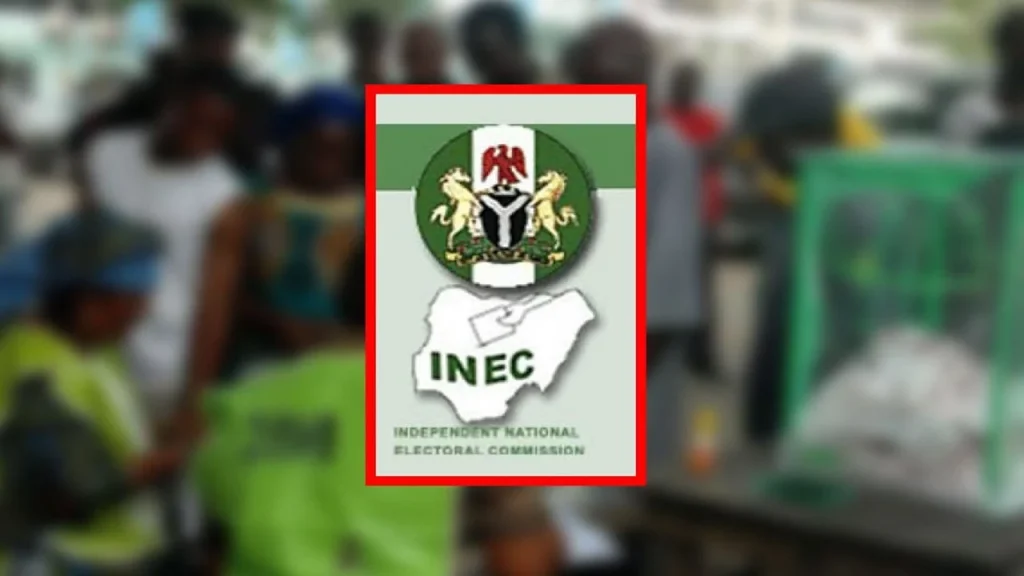
INEC’s announcement on Thursday, February 5, 2026, confirmed the registration of the Democratic Leadership Alliance (DLA) and the Nigeria Democratic Congress (NDC). This increases the number of nationally recognized political parties in Nigeria from 19 to 21. According to INEC Chairman Prof. Joash Amupitan, the DLA successfully completed a rigorous verification process, while the NDC’s registration followed compliance with a Federal High Court directive.
The electoral commission, however, voiced persistent concern regarding political parties plagued by recurring leadership disputes. INEC warned that such internal crises pose a significant threat to constitutional order and democratic stability. The statement highlights an ongoing tension between expanding political participation and ensuring organizational integrity within Nigeria’s multi-party system.
For the AAP, which is not yet formally registered, the national leadership reaffirmed that it is “on top of the situation.” The party expressed gratitude to members who have contributed to its progress and urged continued commitment at the state level. This reaction positions the AAP as an active association anticipating future accreditation while operating in a crowded and complex political environment.
The development comes amid INEC’s stringent oversight of party registration, a process designed to ensure compliance with constitutional requirements. The commission’s dual action—adding new parties while criticizing existing ones with governance issues—reflects its dual mandate to foster pluralism and maintain electoral integrity.
As Nigeria’s political landscape grows to 21 registered parties, the balance between inclusivity and institutional health remains a focal point. For groups like the AAP, the next steps involve meeting INEC’s criteria to join the official register. For the electoral commission, the challenge continues to monitor and, if necessary, de-register parties that fail to adhere to democratic internal practices. The situation underscores the dynamic and often contentious nature of party politics in Nigeria as the country prepares for future electoral cycles.