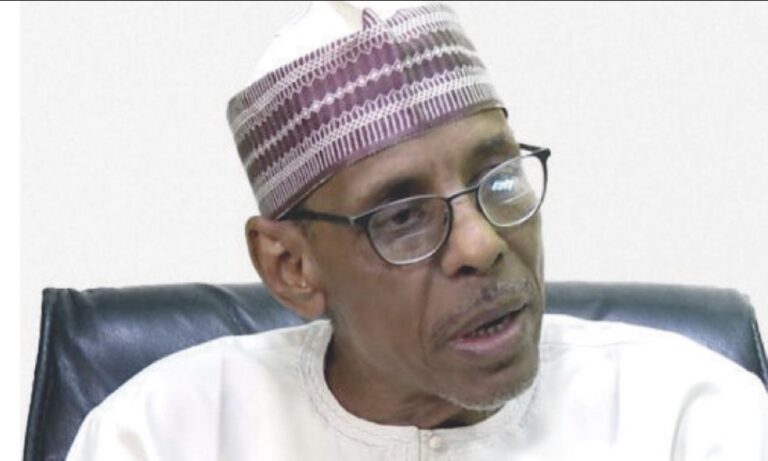
Nigerian businessman and social media personality Isaac Fayose has accused President Bola Tinubu’s administration of prioritising political power over national security, alleging the government is systematically weakening opposition to create a de facto one-party state.
Fayose, the brother of former Ekiti State governor Ayodele Fayose, made the comments in an interview published on Saturday by the Media Talk Africa. He stated that he previously supported the administration but withdrew his backing after concluding the government is “selfish and desperate” for a second term in the 2027 elections, to the detriment of citizens facing security crises.
“I used to support this government before, but when I noticed that they are selfish and desperate for a second term, and they don’t care about who is dying, I began to hate the government,” Fayose said. He linked this perceived focus to ongoing security challenges, asserting that “terrorists continue to kill unsuspecting citizens” while political manoeuvring dominates the agenda.
Fayose pointed to the recent defection of several governors from the main opposition Peoples Democratic Party (PDP) to the ruling All Progressives Congress (APC) as evidence of a concerted effort to consolidate power. “Look at how many governors have decamped, look at what they are doing to the PDP,” he stated.
His core critique centres on the alleged suppression of political opposition. Fayose argued that a robust opposition is essential to democracy and that the Tinubu administration’s actions undermine this principle. “You are turning the country into a one-party state because of your own selfish interests,” he said. “When you kill opposition just for your own gain, that is selfishness. The beauty of democracy is the opposition.”
The statements from Fayose, a known political commentator with a significant online following, highlight intensifying criticism of the federal government’s political strategy. Analysts note that accusations of engineering a one-party system have grown louder following a series of high-profile political defections and legal challenges targeting opposition figures. His comments frame the administration’s actions as a fundamental threat to democratic pluralism, a charge the government has previously denied, asserting its commitment to national development and inclusive politics.
The criticism adds to the political tensions preceding the 2027 general election cycle, with opponents accusing the ruling party of using state resources and institutional pressure to weaken rivals. Fayose’s remarks, coming from a figure with familial ties to a prominent opposition dynasty, underscore the depth of concern among some political actors about the future of competitive democracy in Nigeria.