
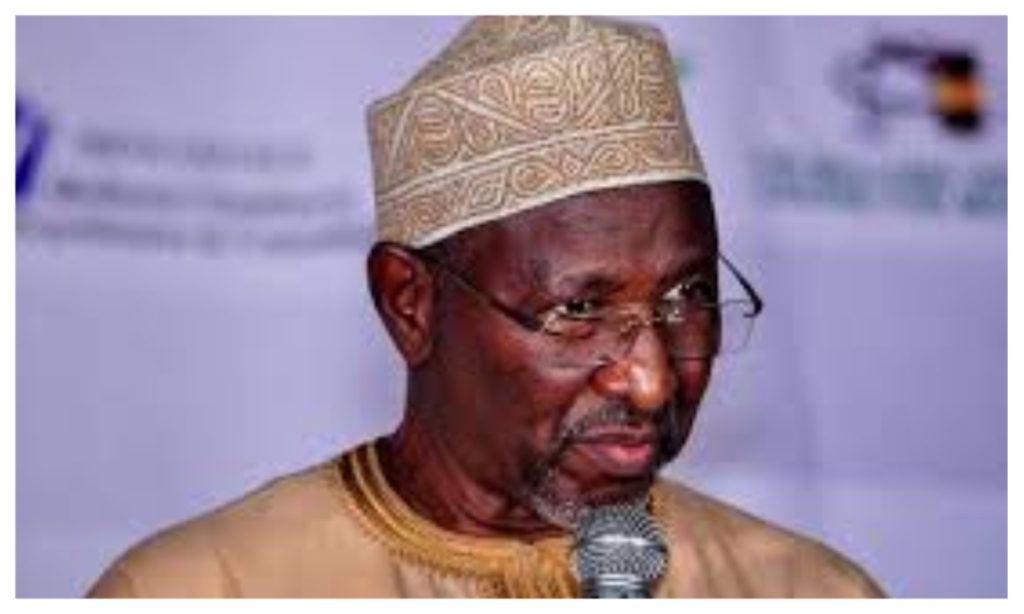
A prominent Islamic scholar and political activist has accused Nigerian lawmakers of attempting to sabotage the electronic transmission of election results to create opportunities for electoral manipulation.
Dr. Usman Bugaje made the allegations during an appearance on Arise Television’s Morning Show, where he criticised recent legislative moves to remove provisions for real-time electronic transmission of results from the electoral law. He described arguments about insufficient technological capacity as deliberate “alibis” aimed at undermining the electoral process.
Bugaje stated that the capacity to electronically transmit results is a matter for the Independent National Electoral Commission (INEC) to determine, not the National Assembly. He noted that INEC has publicly affirmed its technical readiness for electronic transmission. “It is not for the legislators to do that,” he said. He further challenged the Senate’s speculation, citing expert assessments confirming that nationwide telecommunications network coverage is sufficient to support the process.
The activist pointed to the pervasive presence of digital technology, including Point of Sale (POS) terminals and mobile phones even in remote villages, as evidence of existing infrastructure. “You have telephones, working, WhatsApp – people sending messages and communicating,” he remarked. He argued that technical hiccuffs, such as needing to upload results from areas with network coverage after collection in remote zones, are manageable and not a justification for blocking the system.
Bugaje compared Nigeria’s situation to other nations with less developed internet infrastructure that have successfully implemented similar systems. “Many countries in the world, which are far less developed in terms of internet coverage, have done exactly this,” he stated.
He linked the legislative effort directly to historical electoral controversies, referencing the unexplained technical failures that occurred during the transmission of presidential results in the 2023 general elections. “They switched off, and then all sorts of images were coming,” Bugaje said, questioning why such glitches appeared solely for presidential results and not others. He called for a thorough investigation into that incident, asserting that a lack of accountability perpetuates a culture of impunity.
The scholar concluded that the push to codify physical transmission of results is a calculated move to “attenuate the electoral system” and provide an “undue advantage” to specific political actors, echoing patterns from previous elections. He suggested that any capacity gaps for INEC could be addressed within a month, making the opposition to electronic transmission unreasonable and suspect.
The debate centres on the ongoing amendment of the Electoral Act. Advocates for electronic transmission argue it enhances transparency and reduces human interference, while opponents cite infrastructural limitations and security concerns. Bugaje’s comments frame the legislative stance as a deliberate step backward for electoral integrity in Nigeria.

Comments are closed for this story.