
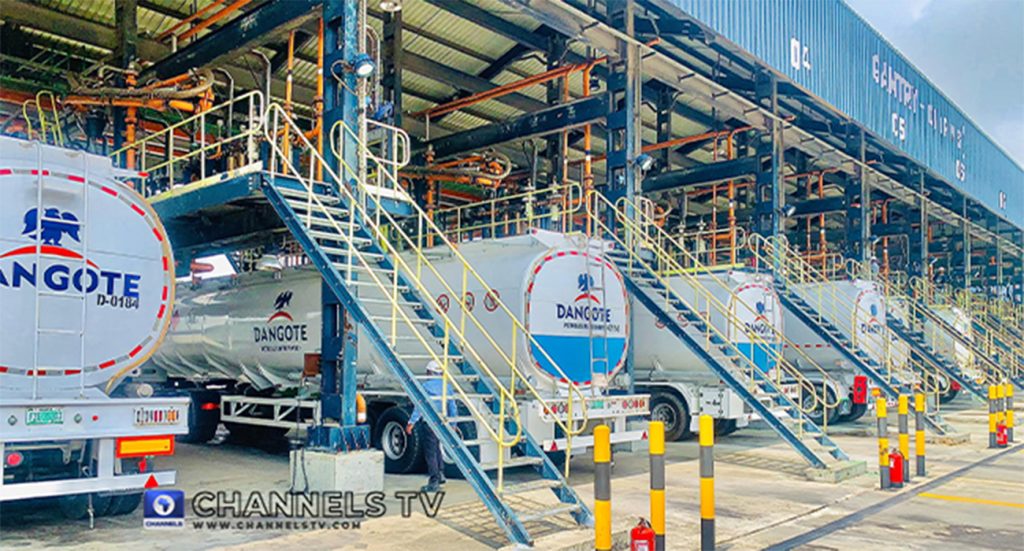
Dangote Refinery Cuts Petrol Gantry Price by N25 Per Litre
The Dangote Refinery has reduced its gantry price for Premium Motor Spirit (PMS) by N25 per litre, effective immediately. The new ex-depot rate is now N774 per litre, down from N799 per litre. The adjustment was communicated in an official notice from the refinery’s Group Commercial Operations Department to fuel marketers, which also confirmed the termination of its previous PMS lifting incentive.
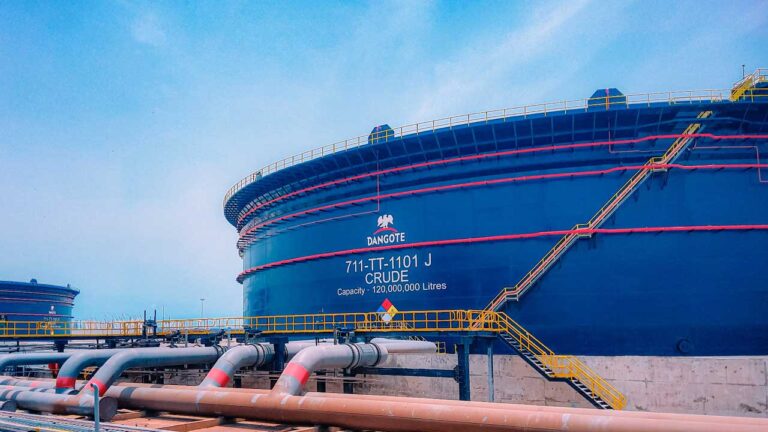
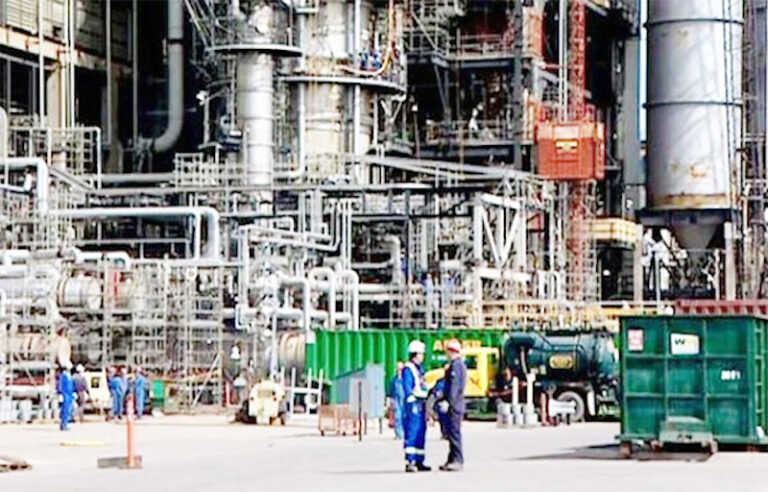
The move aims to enhance the price competitiveness of locally refined petroleum products in the Nigerian market. As Africa’s largest refinery with a capacity of 650,000 barrels per day, the facility began commercial diesel and aviation fuel production in early 2024 and commenced petrol deliveries later that year.
This latest price adjustment follows a period of significant volatility in Nigeria’s fuel sector. For much of the past year, the ex-depot cost of PMS fluctuated between N700 and over N800 per litre, heavily influenced by exchange rate pressures and global crude oil prices. The reduction comes amid ongoing economic reforms initiated by President Bola Tinubu’s administration since May 2023, which included the removal of longstanding fuel subsidies and the floating of the naira.
While these policies are designed to attract foreign investment and foster long-term economic growth, they have contributed to short-term challenges. Fuel prices have doubled since the reforms began, and inflation reached a three-decade high of 34 percent in June 2024. Previously, Nigeria relied on swapping billions of dollars’ worth of crude for imported petrol, a practice that drained foreign exchange reserves amid dwindling oil revenues and currency shortages.
The Dangote Refinery’s increasing production is seen as a pivotal shift toward reducing this dependency on fuel imports. By lowering its ex-depot price, the refinery may exert downward pressure on pump prices, though final costs are also subject to distribution margins and taxes. The company’s ability to set competitive rates depends on its access to crude oil and operational efficiency.
Analysts note that the refinery’s pricing strategy will continue to reflect international oil market dynamics and local currency conditions. For Nigerian consumers and businesses, the reduction offers modest relief amid high inflation, while underscoring the potential long-term benefits of domestic refining capacity for foreign exchange preservation and energy security. The refinery’s output levels and pricing decisions will remain a critical factor in national fuel supply and cost stability in the coming months.

Comments are closed for this story.