
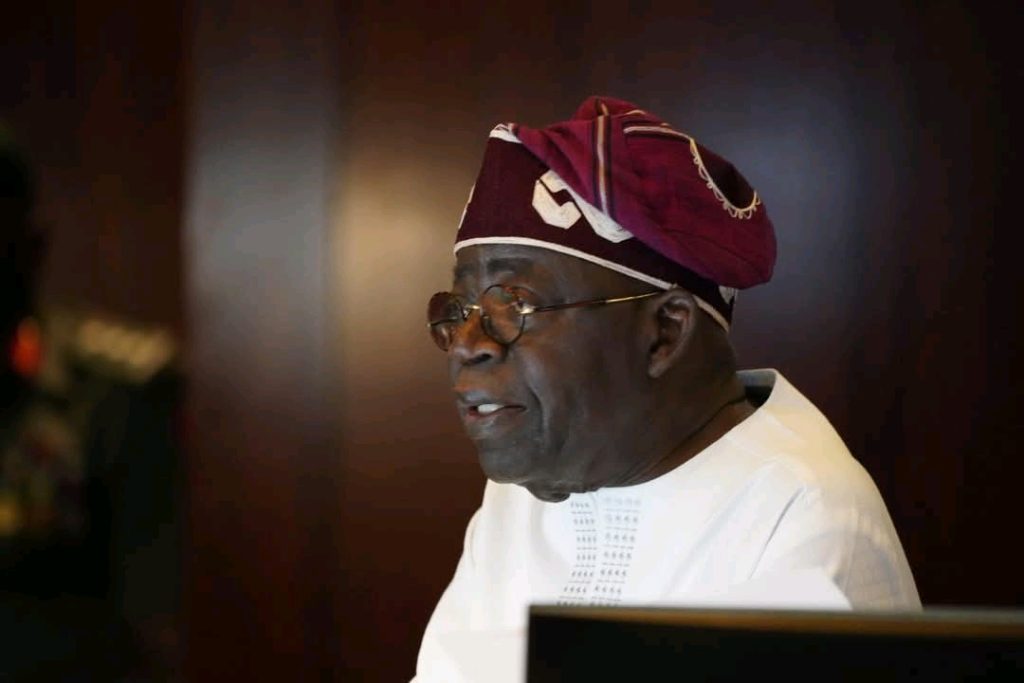
Nigerian President Bola Tinubu publicly asked for forgiveness from all Nigerians during his address at the opening of the 2026 Annual Tafsir (Qur’anic exegesis) held at the State House Mosque in Abuja on Wednesday.
Speaking on the concurrent observance of Ramadan and Lent, President Tinubu highlighted the period as a moment of shared spiritual reflection across faiths. He noted that the overlap underscores universal values common to both Islam and Christianity.
“Ramadan coincides with Lent, reminding us of our common commitment to sacrifice, discipline, prayer, and self-denial,” the President stated. “We start this Ramadan with all the teaching that it brings to us all. But the main principle is to do good to people, to share love and faith, and to forgive sins. I say, if I have sinned, forgive me as a Nigerian.”
The event, a traditional gathering where religious scholars deliver daily interpretations of the Quran throughout the holy month, serves as a significant national religious observance. Tinubu’s participation and his direct appeal for national pardon represent a customary gesture by leaders seeking to foster unity during periods of heightened religious devotion.
Nigeria, Africa’s most populous nation, is nearly evenly divided between Muslims and Christians. Religious periods like Ramadan and Lent often shape the national calendar and public discourse, with leaders frequently using the occasions to call for peace and tolerance. The President’s remarks explicitly tied the personal spiritual disciplines of the two faiths—fasting, prayer, and charity—to the broader social imperative of forgiveness and national cohesion.
This appeal for forgiveness arrives amid ongoing economic challenges and national conversations about governance and leadership accountability. By framing his request within the context of shared religious principles, Tinubu positioned the act as part of a collective spiritual journey rather than a purely political statement.
The significance of the appeal lies in its performative role during a nationally broadcast religious event, aiming to set a tone of humility and reconciliation for the Ramadan period. It reinforces a long-standing tradition where political figures engage with religious institutions to address the nation’s moral and social fabric. The message directed both to the Muslim community observing Ramadan and the Christian community in Lent, emphasizing a unified national identity beyond religious lines.
As Ramadan proceeds, the President’s call for forgiveness will likely resonate within discussions on leadership, nation-building, and interfaith relations in Nigeria. The event underscored the State House’s role in accommodating major religious ceremonies, a practice intended to signal government respect for the country’s diverse faiths.

Comments are closed for this story.