
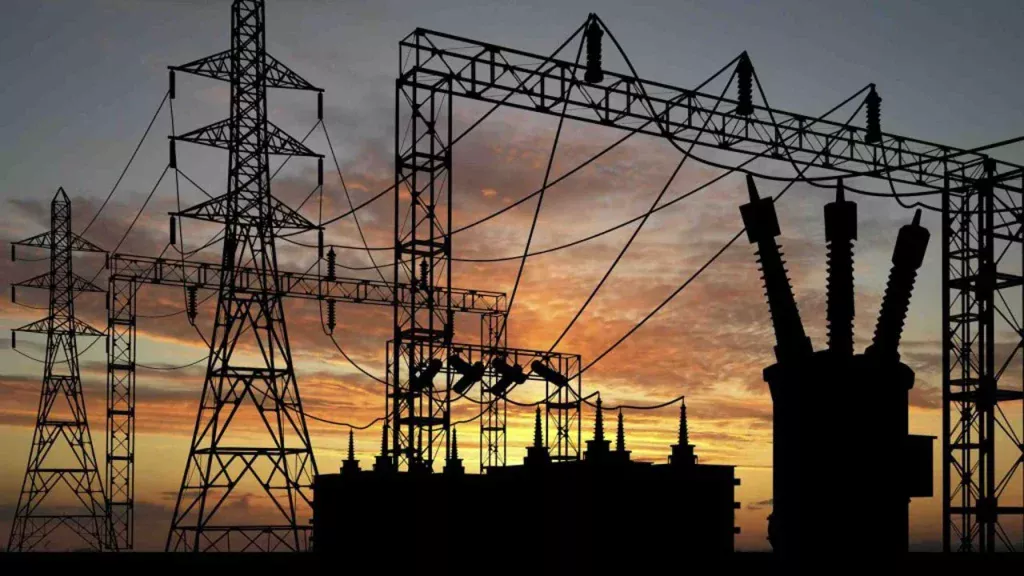
A dispute between Nigeria’s main labour federation and power generation companies has intensified over the federal government’s plan to address a multitrillion-naira debt in the electricity sector, even as widespread power outages affect multiple cities.
The Nigeria Labour Congress (NLC) has rejected a proposed federal government payment of N3 trillion to power generation companies (GenCos) as partial settlement of a legacy debt now estimated at N6.5 trillion. NLC President Joe Ajaero described the government’s dual presentation of a N3 trillion payment and a N6 trillion debt as a “heist and grand deception” designed to shortchange Nigerians. “Nigerians cannot and should not continue to pay for darkness,” Ajaero stated in a Thursday address.
In response, the Association of Power Generation Companies (APGC) defended the government’s outstanding liability. APGC CEO Dr. Joy Ogaji suggested the labour leader may be misinformed, affirming that the federal government’s debt to GenCos stands at N6.5 trillion. She warned that the protracted financial conflict threatens the stability of the national grid and could lead to the sector’s collapse. Ogaji also noted that the federal government’s recent N501 billion issuance of power sector bonds is insufficient to clear the accumulated arrears.
The public disagreement occurs amid significant power supply failures. On Thursday, electricity distribution companies in Enugu and Port Harcourt announced outages following a grid collapse. Similar disruptions were reported on Friday by the Abuja Electricity Distribution Company, affecting parts of the capital.
The core issue revolves around “legacy debt”—financial obligations inherited from previous administrations in the privatised power sector. The government’s move to disburse funds from the Federation account is part of a broader, yet contested, reconciliation effort. While the GenCos insist full repayment is critical for operational sustainability and to attract investment, the NLC argues any debt resolution must not burden ordinary Nigerians through increased tariffs or prolonged instability.
The impasse highlights the profound financial fragility of Nigeria’s power sector, where huge sovereign arrears, grid instability, and poor distribution converge to leave millions without reliable electricity. With both influential bodies holding firm, a resolution remains uncertain, prolonging the crisis that directly impacts households, businesses, and the nation’s economic productivity. The situation demands urgent government intervention to broker a sustainable financial plan and prevent further degradation of the national grid.



Comments are closed for this story.