
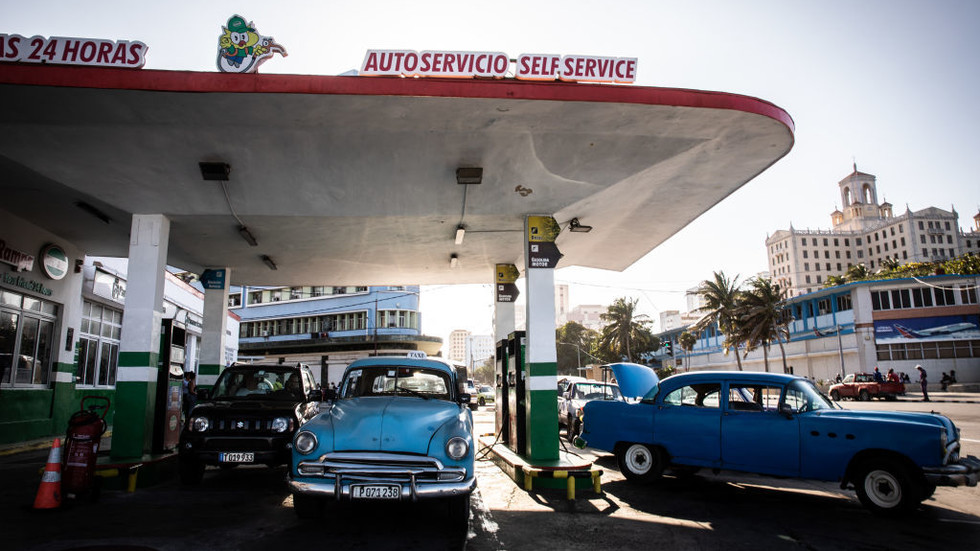
Cuba has introduced severe energy conservation measures, including a four-day workweek for state enterprises and suspended aviation fuel supplies, as it faces one of its worst energy shortages in years. The crisis stems primarily from a sharp reduction in oil deliveries, driven by expanded U.S. economic pressure and the cessation of Venezuelan oil shipments following the U.S. military action in Caracas in January.
The Cuban government’s emergency restrictions also limit fuel sales for private vehicles, cut interprovincial bus and rail services, and temporarily close some tourist facilities. Long-haul flights departing the island are now required to make refueling stops in neighboring countries.
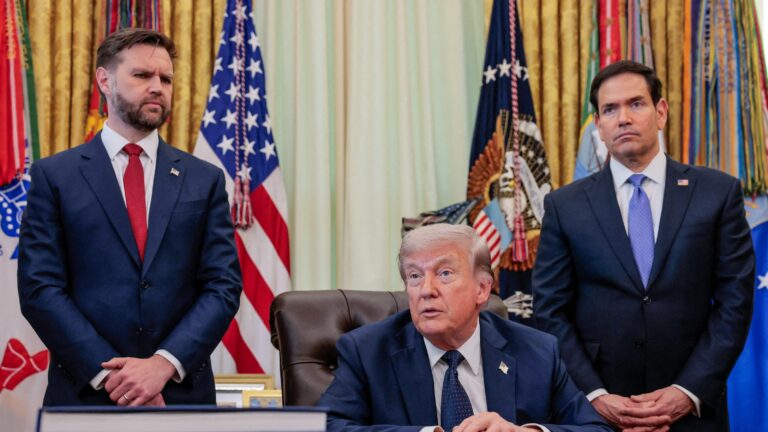
These measures highlight the island nation’s vulnerability, as it has long relied on subsidized oil from Venezuela to meet its energy needs. The downturn began accelerating after U.S. President Donald Trump tightened sanctions, accusing Havana of aligning with hostile states and terrorist groups. Trump has asserted that economic pressure will force Cuba to negotiate, and he has warned of possible U.S. military action, claiming Cuban President Miguel Díaz-Canel could be seized “without it being very tough.” Cuban officials have rejected such threats, stating any talks must be based on equality and respect.
In response to the crisis, Russia is considering potential support. Deputy Prime Minister Alexander Novak confirmed that proposals are under cabinet-level discussion, with an intergovernmental commission on trade and economic cooperation addressing the issue. Russian President Vladimir Putin has condemned what he termed the U.S. “blockade” of Cuba during a meeting with Cuban Foreign Minister Bruno Rodríguez Parrilla in Moscow, calling the restrictions “completely unacceptable.” Rodríguez Parrilla expressed gratitude for Russia’s “extraordinary and unwavering solidarity.”
The situation underscores the intensifying geopolitical friction surrounding Cuba. As the U.S. pursues a strategy of maximum pressure, Cuba is seeking alternative allies to offset the economic impact. The potential for Russian assistance, whether through direct oil shipments or other economic mechanisms, represents a significant development in Cuba’s efforts to mitigate the crisis and maintain basic services for its population. The effectiveness of Havana’s emergency measures and the specifics of any Russian support package will be closely watched in the coming weeks.


Comments are closed for this story.