
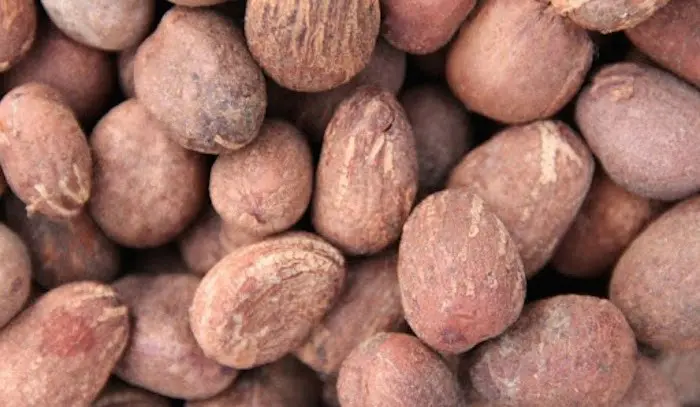
President Bola Ahmed Tinubu has extended Nigeria’s ban on the export of raw shea nuts by one year, a move designed to bolster domestic processing and increase the value of the country’s shea exports. The prohibition, now effective until February 25, 2027, was first introduced in 2022 to stimulate local industrial activity.
The decision, announced by the president’s Special Adviser on Information and Strategy, Bayo Onanuga, underscores a strategic pivot towards value addition within critical agricultural sectors. President Tinubu stated the extension aims to deepen processing capacity, enhance livelihoods in shea-producing regions, and align with the industrialisation goals of his Renewed Hope Agenda. By retaining more of the supply chain locally, the government expects to transform raw material exports into higher-value finished goods, such as shea butter and oils, which command greater prices in international cosmetics and culinary markets.
To coordinate this objective, the president has mandated the Federal Ministry of Industry, Trade and Investment and the Presidential Food Security Coordination Unit (PFSCU) to implement a unified national framework for the shea value chain. This framework will integrate industrialisation, trade, and investment priorities. Furthermore, the government has formally adopted an export structure developed by the Nigerian Commodity Exchange (NCX) and revoked all existing waivers permitting raw nut exports. Any surplus raw shea nuts must now be sold internationally exclusively through the NCX mechanism, following strict guidelines.
Complementing the export restriction, the Federal Ministry of Finance has been directed to establish a dedicated “NESS Support Window.” This financial facility will enable the Industry Ministry to pilot a Livelihood Finance Mechanism, specifically targeted at strengthening production and processing capabilities among farmers and small-scale processors.
Shea nuts, harvested from the indigenous shea tree prevalent in Nigeria’s Savanna region, are the primary source of shea butter—a product celebrated for its moisturizing and antioxidant properties. While Nigeria is a major global source of raw nuts, the majority of the profitable refining and blending for cosmetics and edible oils occurs overseas. This policy seeks to capture a larger share of that value chain domestically, creating rural jobs and diversifying non-oil export revenue.
The extension represents a targeted industrial policy intervention. Its success will depend on the effective coordination between ministries, the operational readiness of the NCX platform, and the timely disbursement of support finance to build processing infrastructure. The government’s approach signals a commitment to moving beyond commodity exports toward a structured, value-oriented agricultural sector.




Comments are closed for this story.