
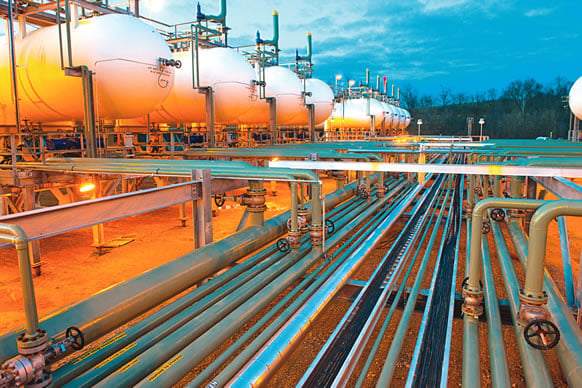
Nigeria’s persistent nationwide power outages are primarily caused by an acute shortage of gas supply to thermal power plants, the country’s Independent System Operator (NISO) has confirmed. In a statement, NISO reported that average available generation has fallen to approximately 4,300 megawatts (MW), a stark contrast to the nation’s installed capacity, due to severe fuel constraints affecting the national grid.
The current crisis traces back to early February, following scheduled maintenance on key gas supply infrastructure by the Nigerian National Petroleum Company and Seplat Energy. While intended as temporary, the disruption exposed and exacerbated existing vulnerabilities in gas delivery. Supply has remained consistently low, directly limiting electricity generation since thermal plants constitute over 70% of Nigeria’s grid mix.
Operational data underscores the scale of the deficit. Thermal power stations require an estimated 1,629.75 million standard cubic feet (mmscf) of gas daily to operate optimally. As of late February 2024, actual supply stood at only about 692.00 mmscf per day—less than 43% of the required volume. This significant shortfall forces the system operator to implement load shedding across the network to maintain grid stability and prevent system collapse.
The dependency on gas-fired generation means that any disruption—whether from maintenance, pipeline issues, pricing disputes, or payment defaults within the electricity value chain—immediately translates into nationwide supply constraints. Longstanding challenges include upstream production issues, legacy debts owed by generating companies to gas suppliers, foreign exchange pressures, and infrastructure bottlenecks. Persistent liquidity gaps, where distribution companies fail to remit adequate payments, further hinder the entire chain.
With national peak demand estimated at over 20,000 MW, the current average generation of 4,300 MW highlights a massive supply deficit. NISO stated it continues to engage stakeholders to restore gas supply and full energy allocation but noted that resolution depends on improving commercially viable gas arrangements. For now, consumers and businesses across Africa’s most populous nation should anticipate ongoing outages and rationing until fuel deliveries to thermal plants are reliably restored.



Comments are closed for this story.