

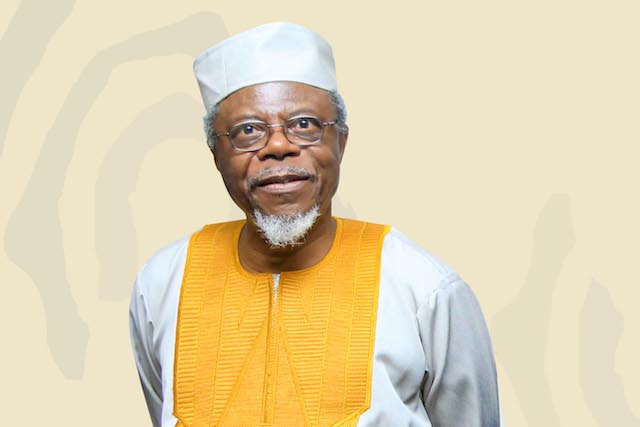
A prominent Islamic scholar has urged Muslims to maximise the health benefits of Ramadan fasting, viewing the practice as more than a religious obligation. Sheikh Abdulfatahi Raji As-Thaqafy delivered this advice during the 2026 Ramadan Lecture organised by the Ogun State chapter of the Freelance and Independent Broadcasters’ Association of Nigeria (FIBAN) in Abeokuta on Tuesday.
The lecture, themed “Fasting Beyond Hunger: Sustaining Hope and Integrity in an Era of Economic Inflation,” featured Sheikh As-Thaqafy, who discussed the multifaceted benefits of fasting. He stated that some animals, which humans utilise for medicinal purposes, were originally endowed with sustainable health attributes by God through the act of fasting. The scholar noted that while fasting is one of the pillars of Islam, many believers primarily perceive it as a duty to obey Allah’s command, often overlooking its wider personal and health advantages.
Sheikh As-Thaqafy highlighted that modern medical practitioners also prescribe fasting to patients with specific ailments to accelerate recovery, aligning with scientific evidence that supports its health benefits. He advised Muslims to recognise themselves as the primary beneficiaries of the fast and to utilise the opportunity intentionally rather than taking it for granted.
In a separate address, the chairman of the occasion, Alhaji Samsudeen Apelogun, the Asiwaju Adinni and Amir Hajj of Ogun State, called on media professionals and all Nigerians to uphold integrity and compassion amid economic difficulties. Represented by Imam Mikhail Adesanya, the Eketa Adinni of Remo Kingdom, Alhaji Apelogun emphasised that Ramadan fasting transcends mere abstinence from food and drink. He described it as a spiritual discipline aimed at attaining Taqwa—piety and moral consciousness.
Citing Qur’an 2:183, which prescribes fasting to develop righteousness and self-restraint, he noted that the season cultivates resilience, empathy, and social responsibility, particularly during inflationary periods. Referring to a Hadith from Sahih Bukhari, he stressed that fasting devoid of honesty and ethical conduct is incomplete, warning against falsehood and dishonest practices, especially in challenging economic times.
The event underscored the intersection of religious practice, personal well-being, and socio-economic ethics, positioning Ramadan as a period for holistic renewal beyond ritual observance. Speakers positioned fasting as a tool for physical rejuvenation, spiritual growth, and fostering communal integrity in the face of national economic pressures.



Comments are closed for this story.