The Senegalese government has accused the Confederation of African Football (CAF) of corruption and demanded an international investigation, dramatically escalating a dispute that saw Senegal stripped of the Africa Cup of Nations (AFCON) 2025 title. The move follows a CAF appeals board decision to award the championship to another nation after Senegal forfeited the final match by walking off the field in January.
The conflict began when CAF’s appeals committee upheld a prior ruling, determining that Senegal’s actions during the January final constituted a forfeiture. Consequently, the continental governing body revoked the title from the Senegalese Football Federation (FSF). In immediate response, the FSF issued a strong condemnation of CAF’s decision on Wednesday, labeling the process unjust.
This official criticism from the football federation has now been amplified by direct state intervention. The Senegalese government formally accused CAF of “suspected corruption” within its operations and called for an independent, international probe into the governing body’s affairs. The government’s statement frames the legal and sporting dispute as a broader issue of administrative integrity within African football.
Concurrently, the FSF has announced its intention to challenge CAF’s sanction through legal channels. The federation will appeal to the Court of Arbitration for Sport (CAS) in Lausanne, Switzerland. This pathway is the highest authority for resolving international sports disputes, though the process is reportedly lengthy, with a verdict potentially taking more than a year to be delivered.
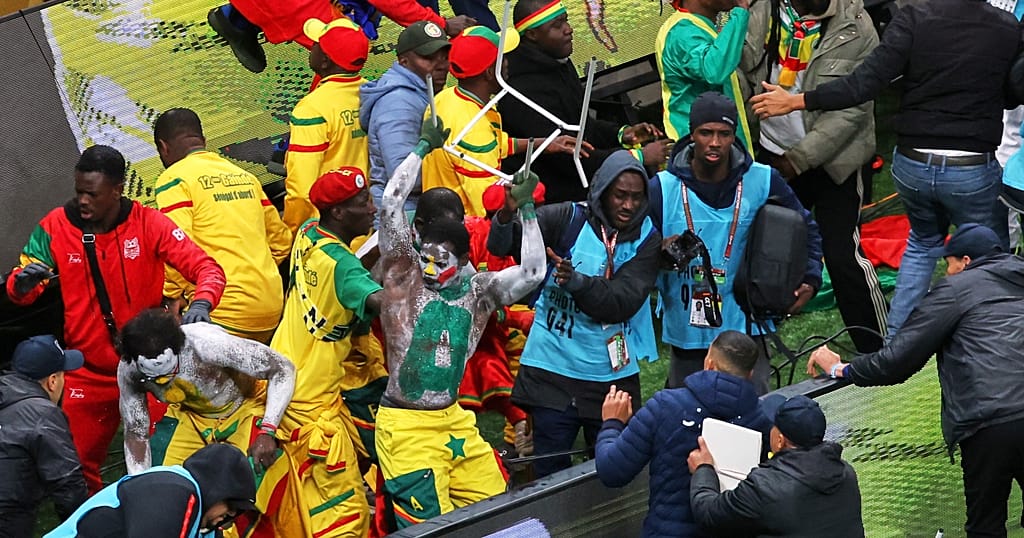
The AFCON 2025 final itself was marred by controversy when Senegal’s team left the pitch, leading to the initial forfeiture ruling. CAF’s confirmation of the penalty by its appeals board has now triggered a multi-front response from Senegal, combining sporting, legal, and diplomatic pressure. The case highlights the volatile intersection of high-stakes tournament outcomes, federation governance, and governmental influence in sport.
The significance of this escalation lies in the rare involvement of a national government directly challenging CAF’s authority. The demand for an international corruption investigation, if pursued, could scrutinize the broader operational standards of the continental body. For Senegal, the CAS appeal represents the primary avenue to reclaim the title, though the protracted timeline means the championship’s status will remain unresolved for the foreseeable future. The outcome may set a precedent for how similar disputes over match forfeitures and administrative conduct are handled across African football.