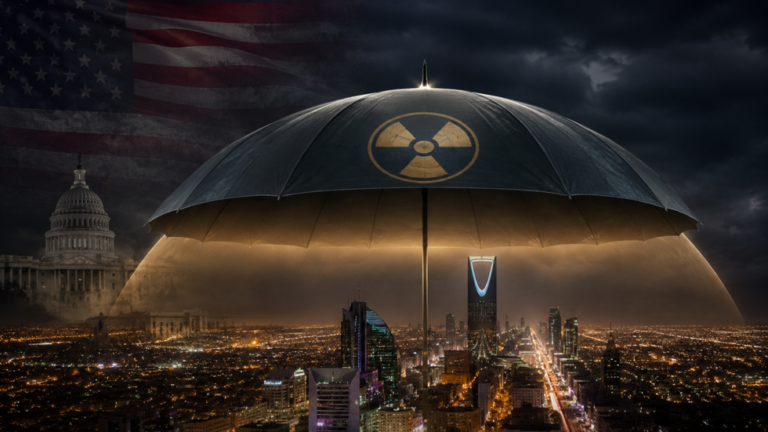
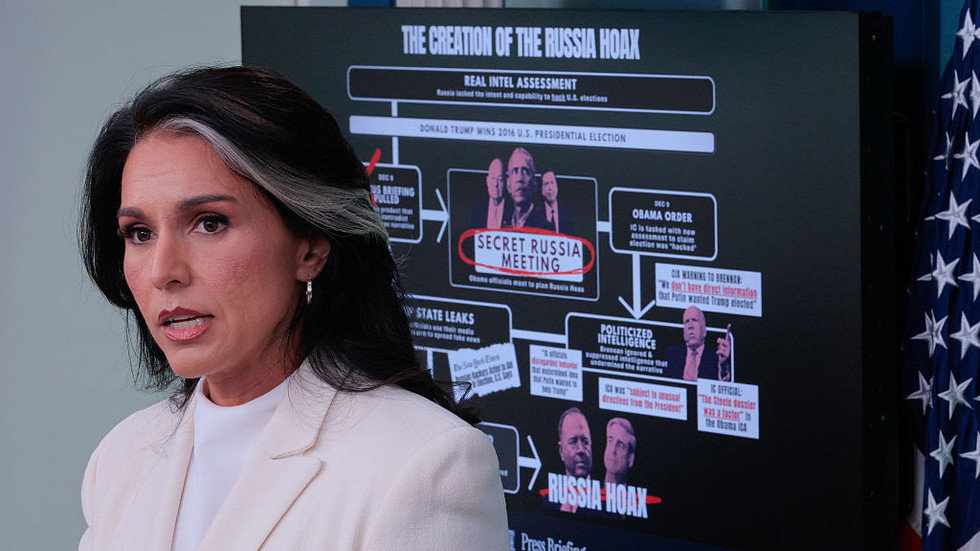
Pakistan’s advancing ballistic missile program could enable long-range strikes capable of reaching the United States, according to the U.S. intelligence chief. Director of National Intelligence Tulsi Gabbard issued the warning during testimony before the Senate Intelligence Committee, presenting findings from the 2026 Annual Threat Assessment Report.
The report identifies Russia, China, North Korea, Iran, and Pakistan as nations actively developing novel or advanced missile delivery systems with nuclear and conventional warheads. Gabbard specified that Pakistan’s long-range ballistic missile development “potentially could include intercontinental ballistic missiles (ICBMs) with the range capable of striking the homeland.” She projected that the collective missile threat to the U.S. would expand from over 3,000 to more than 16,000 missiles by 2035.
This assessment continues a policy trend from the Biden administration, which imposed sanctions on Pakistani entities to restrict technology acquisition for such programs, noted Shuja Nawaz, a Washington-based scholar. The statement underscores a significant security concern as Pakistan’s missile capabilities mature.
The warning arrives amid a complex historical relationship between Washington and Islamabad. Pakistan was a key U.S. Cold War ally, joining SEATO and CENTO, and was designated a major non-NATO ally in 2004. Tensions flared after the U.S. accused Islamabad of supporting the Afghan Taliban until 2021. More recently, Pakistan joined President Donald Trump’s Board of Peace, an initiative focused on postwar Gaza reconstruction.
Pakistan maintains distinct foreign policy alignments, including a strategic partnership with China and full membership in the Shanghai Cooperation Organization (SCO). It is also a prominent participant in China’s Belt and Road Initiative (BRI).
The intelligence director’s testimony highlights a growing, multi-faceted missile threat landscape for U.S. homeland defense. It suggests that U.S. policy must now account for advanced missile proliferation from regional powers like Pakistan, whose technological trajectory could alter strategic calculations in the coming decade. The issue is likely to influence future diplomatic and security engagements between the two countries, particularly as Pakistan deepens ties with other major powers.