
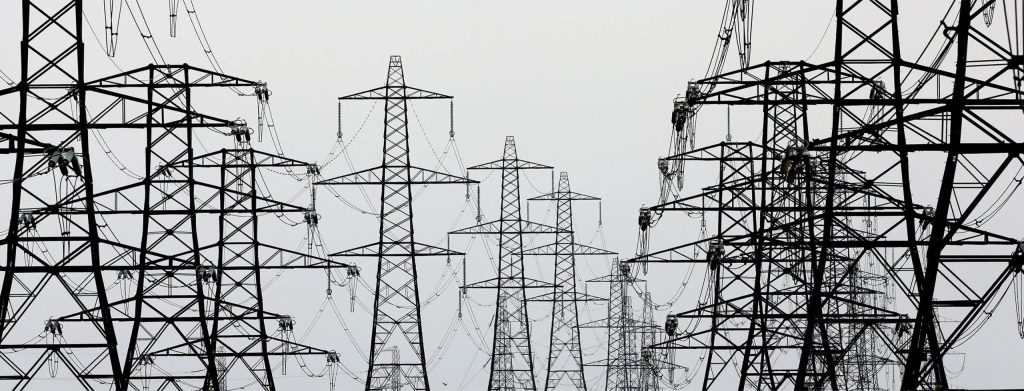
The Nigerian government, through the Rural Electrification Agency (REA), has secured N7.4 billion in financing to deploy a 7-megawatt mini-grid in Ebonyi State, Southeast Nigeria. The funding will bring renewable energy to multiple underserved communities, marking a significant step in the nation’s efforts to close its persistent energy access deficit.
The financing is a component of a broader N100 billion memorandum of understanding with a Nigerian bank, dedicated to developing renewable energy infrastructure across eight key sites in Ebonyi. The project is implemented under the government’s Access through Renewable Energy Scale-up (DARES) initiative, which prioritises decentralized solutions for rural electrification. Specific communities to benefit include Okposi and Mebiokpa in the Ohaozara Local Government Area, Ohaozara itself, Ebunwana in Edda LGA, Unwana and Afikpo in Afikpo North LGA, and Iboko in Izzi LGA. These areas, like many rural parts of Nigeria, have historically lacked reliable grid connections.
Abba Aliyu, Managing Director of the REA, highlighted the project’s swift progression as evidence of effective partnership between public agencies and financial institutions. “This milestone demonstrates our commitment to forging partnerships that yield real, tangible results for Nigerians,” Aliyu stated. He characterised the initiative as a prime example of strategic alignment delivering immediate public benefits by leveraging private-sector financing for national development goals.
Nigeria, despite its vast energy resources, faces one of the world’s largest energy access gaps, with millions in rural communities underserved. Mini-grid projects like this one are central to the federal government’s strategy to achieve universal electrification by 2030, particularly in regions where extending the main national grid is economically unfeasible. The Ebonyi deployment is expected to directly power thousands of homes, small businesses, and essential services, fostering local economic activity and improving quality of life.
The successful conclusion of this financing agreement underscores growing momentum for renewable energy projects in Nigeria’s rural southeast. It also signals increased confidence among financial institutions in the sustainability of decentralized power models. As implementation proceeds, the project will serve as a benchmark for similar future deployments under the DARES framework, potentially catalysing further investment into Nigeria’s off-grid renewable energy sector. The REA reiterated its focus on replicable models that combine technical viability with commercial sustainability to ensure long-term operational success in targeted communities.



Comments are closed for this story.