
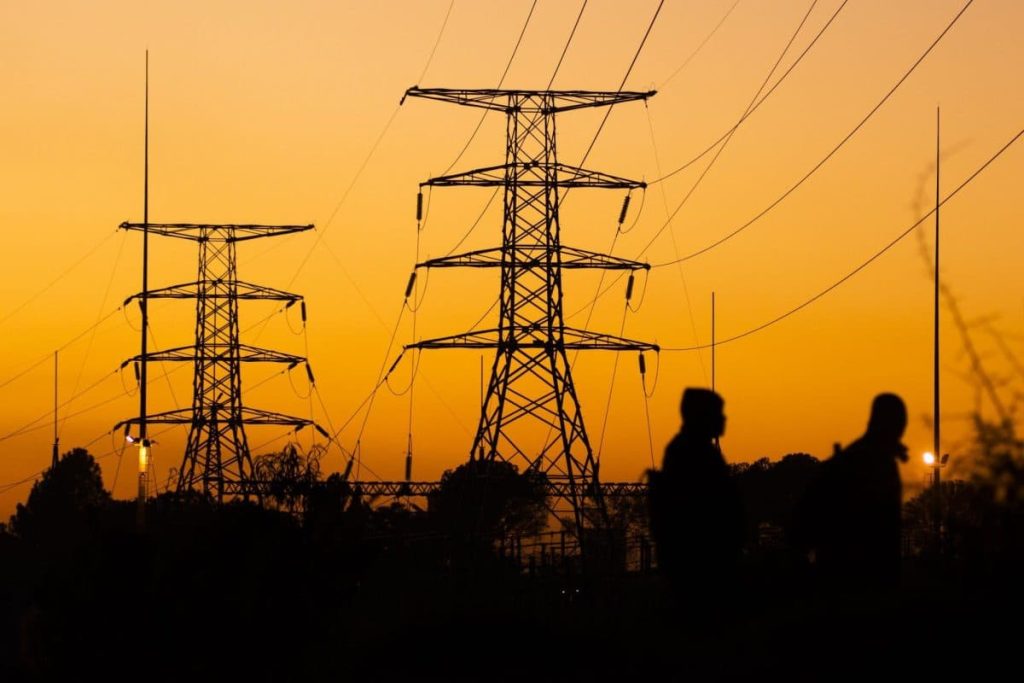
A severe deterioration in Nigeria’s power supply is underway as electricity generation companies (GenCos) have intensified shutdowns, citing an unsustainable debt burden exceeding N6.8 trillion. The crisis has left a significant portion of the nation’s power plants offline, deepening nationwide blackouts and highlighting a chronic liquidity crisis within the sector.
According to data from the Nigeria Independent System Operator (NISO) cited in a Bloomberg report, 16 of Nigeria’s 33 grid-connected power plants were not generating electricity as of Tuesday. The affected facilities are hampered by an inability to fund critical equipment maintenance, secure reliable gas supplies—the primary fuel for thermal plants—and cover basic operational expenses. This operational collapse reflects broader systemic failures within the Nigerian Electricity Supply Industry (NESI).
Joy Ogaji, Chief Executive Officer of the Association of Power Generation Companies (APGC), confirmed the dire financial straits facing generators. She stated that the sector’s chronic underfunding has reached a point where GenCos can no longer sustain services. “We cannot maintain the machines,” Ogaji said, emphasizing that without immediate financial intervention, equipment servicing is impossible. She framed the issue as a national economic imperative, noting that reliable power is fundamental to industrialization, job creation, and development. “Money for hand, light for house, gas for pipe,” she remarked, underscoring the interconnectedness of financial flow, electricity supply, and gas availability.
This latest wave of shutdowns follows earlier threats from GenCos and gas suppliers to halt operations entirely over an outstanding debt of N3.3 trillion. The ballooning liability now estimated at N6.8 trillion points to accumulating unpaid invoices from the electricity distribution and transmission segments, creating a cashflow blockage that paralyzes the entire value chain.
The recurring cycle of debt, operational shutdowns, and reduced power output underscores persistent structural challenges in Nigeria’s power sector, despite years of reform efforts. The current crisis transcends technical or industrial concerns, posing a direct threat to economic activity and living standards across the country. Analysts stress that resolving the debt overhang and establishing a sustainable financial model for NESI is critical to stabilising power supply and supporting broader economic growth. The situation calls for urgent coordination between government, regulators, and industry stakeholders to prevent a total collapse of the national grid.



Comments are closed for this story.