
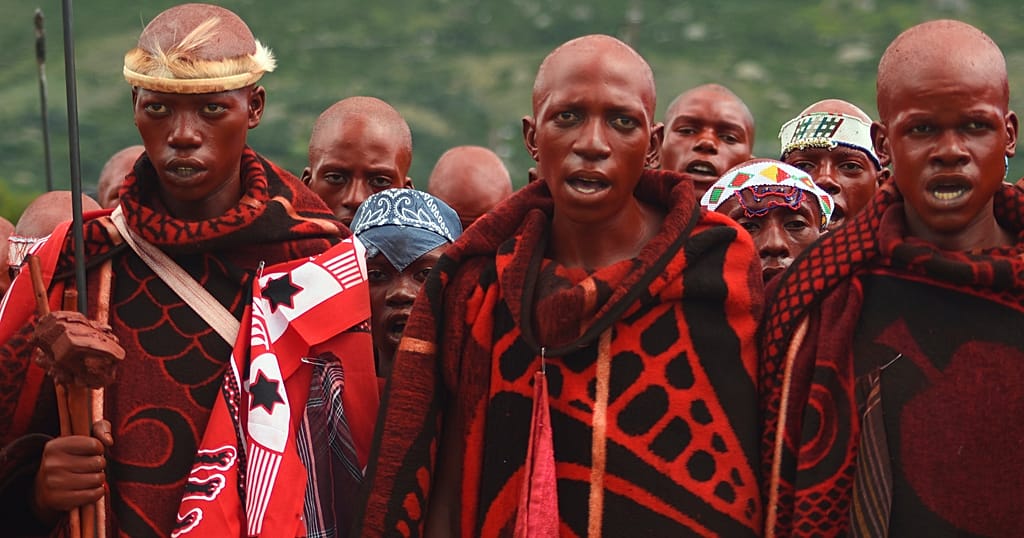
At least 48 boys and young men have died during recent initiation ceremonies in South Africa, highlighting the persistent and deadly risks associated with traditional rites of passage. The case of Lamkelo Mtyho, a 22-year-old with no prior health issues who entered a registered initiation school but never returned, has intensified scrutiny of the practice.
Mtyho joined his peers in the customary ceremony, wrapped in blankets and smeared with white clay, intended to mark his transition into manhood. Weeks later, his grandmother, Nozinzile, learned he had collapsed on the way to bathe. “Initiation is not an easy thing,” she said, “but the thought of him dying never crossed my mind.” His death is among a rising toll that former Health Minister Zwelini Mkhize told parliament included 476 fatalities over a five-year period, which he described as “deaths that are unacceptable.”
The fatalities are frequently linked to systemic failures within the initiation school system. Key dangers include poorly trained traditional surgeons, the use of unsterilized instruments, severe dehydration, and untreated septic wounds. These risks are compounded in remote rural areas where medical help is distant and communication is limited.
The practice sits at a tense intersection of cultural preservation and public safety. Traditional leader Morena Mpembe defends initiation as “a culture left to us by our elders.” However, investigators have found that illegal, unregulated schools often proliferate in areas where registered institutions are too expensive or scarce. In one municipality, a government review uncovered more illegal than legal schools operating. Recent police actions have led to the arrest of 16 traditional surgeons and several parents accused of falsifying boys’ ages to circumvent age restrictions designed to protect minors.
A mother of two initiates, speaking from a community affected by the deaths, called for stronger government oversight. “Young people are losing their lives,” she stated, echoing a growing demand for enforceable national standards. While cultural observers acknowledge the deep significance of the rite for many Xhosa, Sotho, and other ethnic groups, they argue that the high mortality rate represents a public health crisis that demands urgent, collaborative solutions between traditional authorities and state regulators. The ongoing loss of life continues to challenge South Africa’s ability to balance respect for cultural heritage with the fundamental right to safety.

![Troops, terrorists exchange gunfire in Kogi [VIDEO]](https://mediatalkafrica.com/wp-content/uploads/2026/01/Terrorists-Exchange-Gunfire-With-Nigerian-Troops-In-Kogi-State-768x576.jpeg)
Comments are closed for this story.