
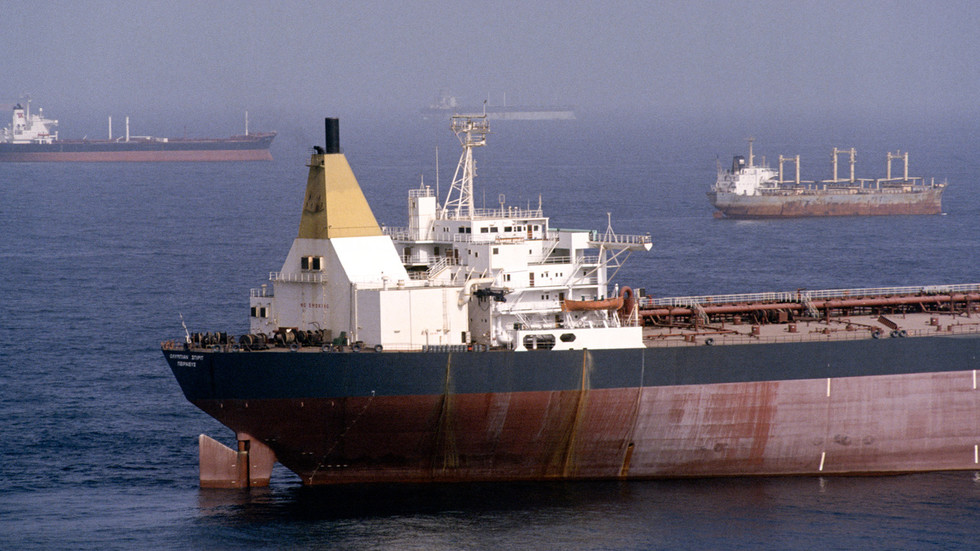
Iran is permitting a limited number of pre-approved vessels, primarily from friendly nations, to transit the Strait of Hormuz amid ongoing threats to shipping, according to maritime reports and official statements.
The development follows attacks on more than 15 tankers in the strategic chokepoint since late February, when the U.S. and Israel launched military action against Iran. While Iranian Foreign Minister Abbas Araghchi stated the strait is open to all except the U.S. and Israel, Western-linked vessels face significant obstacles.
Maritime data indicates at least eight tankers and bulk carriers—connected to India, Pakistan, Greece, and Iran’s own fleet—have successfully navigated using an alternative, shallower route near Iran’s Larak Island. Nine Chinese oil tankers are also reported to be gathering in the Gulf for transit. Clearance is being handled case-by-case, with Tehran working to formalize the approval process.
There are indications of financial demands; Lloyd’s List reported one tanker operator paid approximately $2 million for passage. Iran’s parliament is also considering a bill to tax transiting ships, though implementation would require regional consensus.
The strait’s current operation contrasts sharply with its pre-war status. Previously handling about 20 million barrels of oil per day—roughly 25% of global seaborne oil trade—and over 138 vessels daily, traffic has plummeted to an estimated 3–5 ships per day. The narrow 29-nautical-mile-wide channel remains a critical conduit for LNG exports from Qatar and the UAE.
Despite the minimal oil flows, energy markets remain volatile. Brent crude has settled above $100 per barrel, down from a spike near $120, while U.S. gasoline prices have surged. European natural gas prices rose sharply before easing slightly.
Internationally, European leaders have called for de-escalation and reopening of the strait but are reluctant to deploy naval escorts. The U.S., while downplaying the price surge, has signaled a potential sanctions waiver on stranded Iranian oil to boost supply. Russia, whose exports are not directly disrupted, has positioned itself as a stable alternative supplier.
The situation underscores a fragile, paid-access system for one of the world’s most vital energy corridors, with global prices sensitive to any further escalation or blockage.



Comments are closed for this story.