
Nigerian leaders have called for national unity and concerted action to address pressing economic and security challenges, marking Eid-el-Fitr with messages that reflect deep-seated concerns over the country’s trajectory.
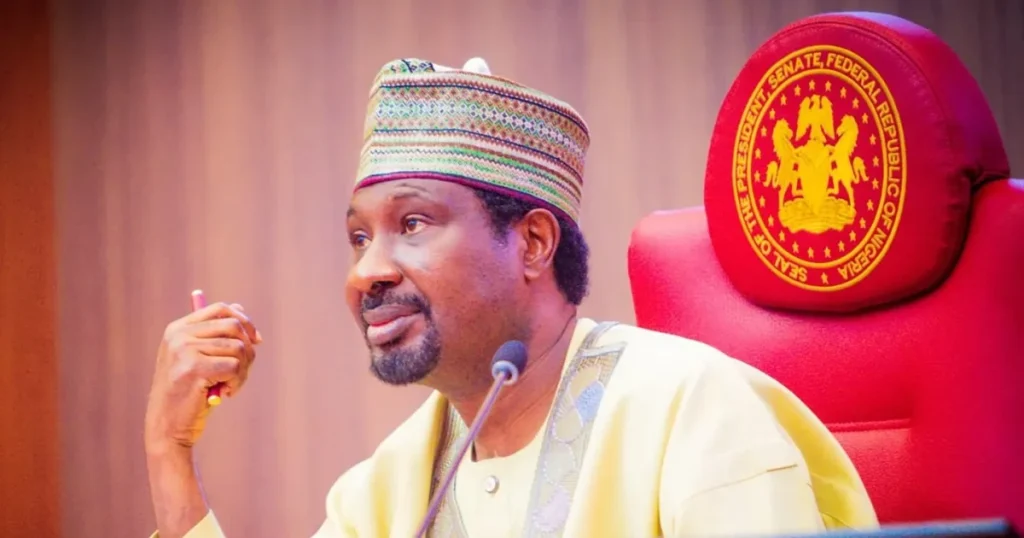
The appeal for patriotism came from Deputy President of the Senate, Senator Jibrin Barau, who urged Nigerians to support President Bola Tinubu’s administration amid complex global disruptions. Speaking after Eid prayers in Abuja, Barau emphasized that conflicts abroad, such as those in the Middle East and Europe, directly impact Nigeria’s economic stability, energy costs, and development. He argued that a unified domestic front is essential to mitigate these external shocks and advance the government’s economic reform agenda. “What we need at this time is to continue supporting Mr President… and to continue praying for him so that he can succeed in his efforts to bring prosperity to our nation,” Barau stated, acknowledging worldwide challenges while insisting Nigeria must not be an exception to finding solutions.
This call for cohesion was paired with a stark warning on security from the Chief Imam of the National Mosque, Professor Illiasu Usman, who led the prayers. Usman challenged all tiers of government to urgently combat pervasive insecurity, asserting that genuine development is impossible in a violence-ridden society. He stressed Nigeria’s capacity to decisively confront threats and urged intensified action against criminal elements.
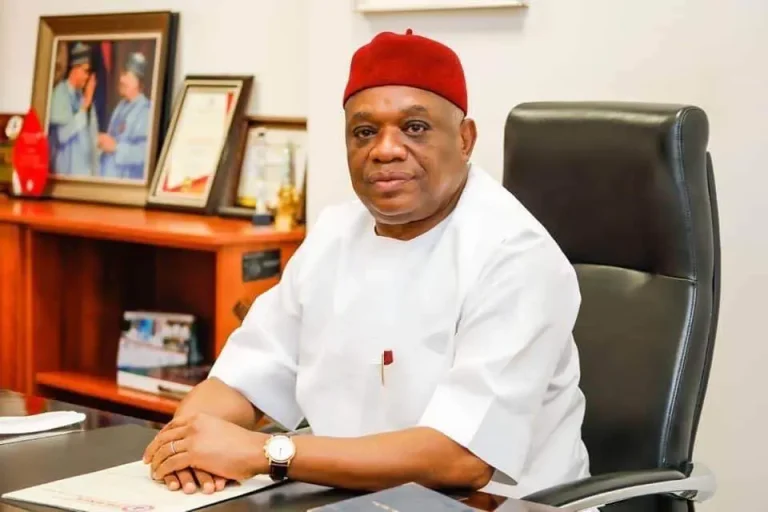
A critical perspective on Nigeria’s democratic journey was provided by Julius Abure, factional National Chairman of the Labour Party. In his Eid message, Abure contended that the dividends of democracy have remained elusive for many citizens since the 1999 return to civilian rule, citing persistent economic hardship, political uncertainty, and insecurity. He advocated for a new socio-economic model centered on discipline and compassion—values he linked to the Ramadan period—and urged the affluent and those in power to prioritize ordinary Nigerians’ welfare continuously, not just during festivities. “Nigeria, with all its human and material resources, should not be talking about multidimensional poverty,” Abure remarked.
The convergence of these messages from political and religious figures underscores a shared, urgent priority: navigating national crises through solidarity, effective governance, and a recommitment to collective welfare. As global headwinds persist, the emphasis on unity and proactive leadership highlights the perceived stakes for Nigeria’s stability and economic recovery in the year ahead.


Comments are closed for this story.