
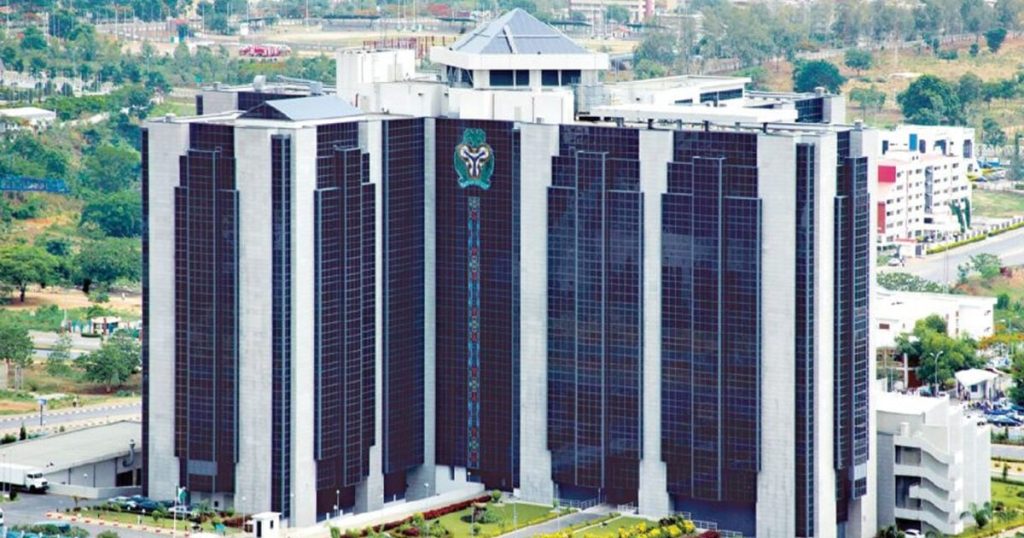
The Central Bank of Nigeria (CBN) has been named the 2026 Global Central Bank of the Year by the Central Banking Awards Committee, a recognition of its extensive monetary and structural reforms that have stabilized the West African nation’s economy.
The award follows a period of severe economic strain for Nigeria. By 2023, inflation had surged to 22.4 percent, foreign exchange reserves were critically low, and a vast disparity—over 60 percent—existed between official and parallel market exchange rates. Policy inconsistencies and monetary financing had eroded investor confidence, causing Nigeria to lose its position as Africa’s largest economy.
Upon the appointment of Olayemi Cardoso as Governor in late 2023, the CBN initiated a decisive policy reset. The committee highlighted a return to orthodox monetary policy, the end of quasi-fiscal interventions, and a concerted effort to regain institutional independence.
A cornerstone of the reform was the unification of the foreign exchange market. The CBN abolished multiple exchange rate windows, establishing a single, market-driven system based on a willing-buyer, willing-seller model. An electronic trading platform was introduced to enhance transparency and price discovery. This action rapidly narrowed the official-parallel market spread to under 2 percent. Concurrently, the central bank cleared a backlog of foreign exchange obligations exceeding $7 billion, restoring credibility with international businesses.
Monetary policy was tightened aggressively, with the benchmark interest rate rising from 18.75 percent in 2023 to 27.5 percent by late 2024. While inflation initially spiked to 34.8 percent following subsidy reforms and currency liberalisation, it subsequently declined to 15.1 percent by January 2026. The improved inflation trajectory allowed for a modest rate reduction to 26.5 percent by February 2026.
Structural reforms in the banking sector were also pivotal. A 2024 recapitalisation programme required banks to significantly increase capital, with over 33 institutions raising fresh funds. The CBN advanced its supervisory framework toward Basel III standards. These measures, coupled with expanded digital lending and strengthened anti-money laundering protocols—which contributed to Nigeria’s removal from the FATF grey list—bolstered systemic resilience.
The outcomes have been notable. Gross external reserves climbed to $46.7 billion by November 2025, the highest in seven years, providing over ten months of import cover. International rating upgrades from Fitch and Moody’s followed, citing enhanced policy credibility. A successfully oversubscribed $2.35 billion Eurobond issuance in 2025 marked Nigeria’s return to global capital markets.
The Central Banking Awards Committee concluded that while challenges like sustaining disinflation and completing bank recapitalisation remain, the scale and speed of the CBN’s reforms constitute a significant turnaround in economic management.



Comments are closed for this story.