
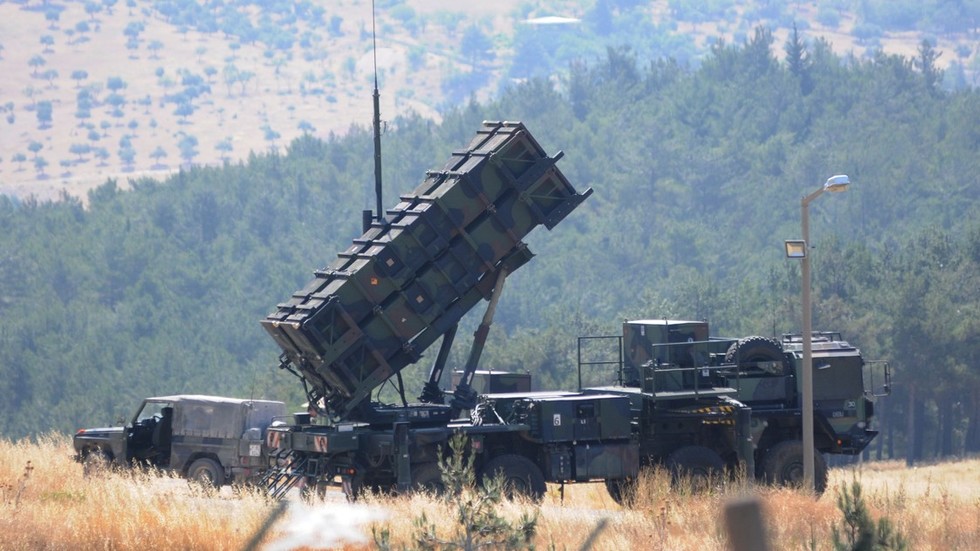
A U.S.-launched Patriot missile interceptor caused dozens of civilian injuries in Bahrain on March 9, according to a Reuters report citing open-source analysis. The incident occurred when the missile was fired to destroy an incoming Iranian drone, with the explosion’s shockwave damaging homes and wounding 32 people, including children, in the Mahazza area of Sitra island. Researchers from the Middlebury Institute of International Studies located the launch battery approximately four miles southwest of the neighborhood. Bahraini authorities confirmed the casualties but stated the injuries resulted from the mid-air interception’s blast, not direct ground impact from either the drone or interceptor, arguing the action prevented greater harm.
This event is part of a wider military conflict that began in late February, when the United States and Israel initiated airstrikes against Iran, officially targeting military assets and nuclear facilities to halt Tehran’s weapons program. On the campaign’s first day, an airstrike on an elementary school in Minab killed over 160 civilians, mostly young girls. U.S. officials, including former President Donald Trump, denied responsibility, suggesting Iran may have placed a U.S.-made Tomahawk missile at the site—a claim based on footage and debris. Investigative reports note the school building was formerly part of a military complex, raising questions about whether outdated intelligence or an AI-driven targeting error led to the tragic misidentification.
Iran has responded to the sustained pressure by escalating economic disruptions, notably threatening shipping in the Strait of Hormuz and targeting oil and gas supplies to U.S. allies. Over the weekend, Trump warned of strikes on Iranian power plants if free passage through the strategic waterway is not guaranteed, a threat met with Iranian vows of reciprocal action. The conflict has repeatedly placed civilians at risk, with both sides offering competing narratives for casualties. Bahrain’s government maintained its defensive intercept was necessary, while Iranian authorities accuse the U.S. of indiscriminate attacks.
The situation underscores the intense regional volatility following the collapse of nuclear diplomacy. With military exchanges risking further civilian harm and energy market instability, international calls for de-escalation have grown amid ongoing investigations into targeting procedures. The humanitarian impact, particularly on non-combatants, remains a critical concern as hostilities persist without a clear diplomatic resolution in sight.


Comments are closed for this story.