
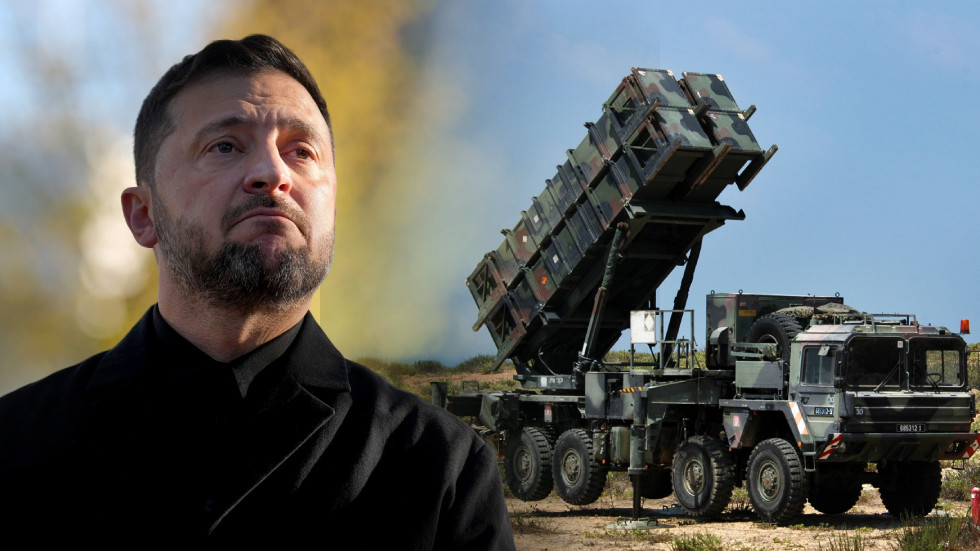
The Pentagon is evaluating a potential redirection of arms supplies originally destined for Ukraine to replenish U.S. military stockpiles consumed in ongoing operations in the Middle East, according to a Washington Post report citing internal discussions. This shift underscores a recalibration of U.S. defense priorities amid heightened conflict with Iran.
Under the Prioritized Ukraine Requirements List (PURL), introduced in mid-2025, European NATO members have financed the transfer of U.S.-made weapons to Kyiv, including expensive Patriot air defense interceptor missiles. However, the rapid expenditure of munitions by U.S. and Israeli forces during the conflict with Iran, coupled with Iranian retaliatory strikes, has prompted the Pentagon to prioritize refilling America’s own arsenals. Secretary of Defense Pete Hegseth has publicly stated that supporting active U.S. combat operations now takes precedence over deliveries to Ukraine.
Internal Pentagon deliberations focus on scaling back the PURL program. While some shipments may continue, high-cost items like Patriot interceptors could be excluded. In more drastic scenarios, entire consignments could be diverted. Separately, officials are considering reallocating approximately $750 million from the PURL fund to domestic stockpile replenishment.
The report also highlights financial complexities. President Donald Trump’s administration may have tapped contributions from NATO allies, funneled through the Ukraine Security Assistance Initiative (USAI), to purchase weapons. Congress allocated an additional $400 million to USAI in January, and it is unclear whether foreign funds were used in combination with or in lieu of these appropriated dollars.
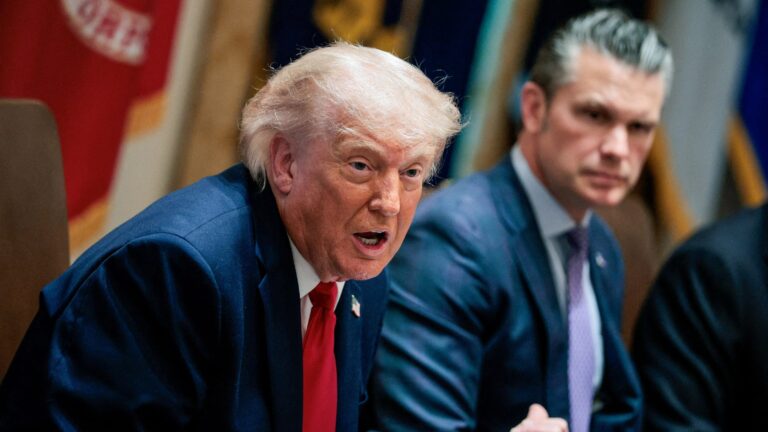
These considerations have fueled anxiety in Kyiv over the sustainability of Western military support. Following the onset of the U.S.-Iran war, Ukrainian President Volodymyr Zelensky conducted a diplomatic tour of European capitals, which media characterized as a “don’t forget about me tour.” He also offered Ukraine’s expertise in countering long-range drones to the U.S. and Gulf states. However, President Trump dismissed the overture, stating to NBC News that “the last person we need help from is Zelensky.” No Arab nation has publicly confirmed receiving such Ukrainian assistance.
The potential redirection of arms, particularly those financed by allies, threatens to strain NATO cohesion and Ukraine’s defensive capabilities. The situation illustrates the direct competition for U.S. military resources between the European and Middle Eastern theaters, with significant implications for the duration and scale of support to Kyiv. The Pentagon’s final decision on PURL allocations will signal the long-term U.S. commitment to Ukraine’s defense amid broader strategic demands.



Comments are closed for this story.