US and Iran Engage in Indirect Talks Amid Deep Strategic Rifts
A process of indirect communication between the United States and Iran is underway, but officials from both sides deny that formal negotiations have begun. Iranian Foreign Minister Abbas Araghchi has stated that messages exchanged through intermediaries do not constitute negotiations, while U.S. officials maintain that diplomatic contacts are progressing. This disconnect highlights a fundamental gap in how each side perceives the current diplomatic effort.
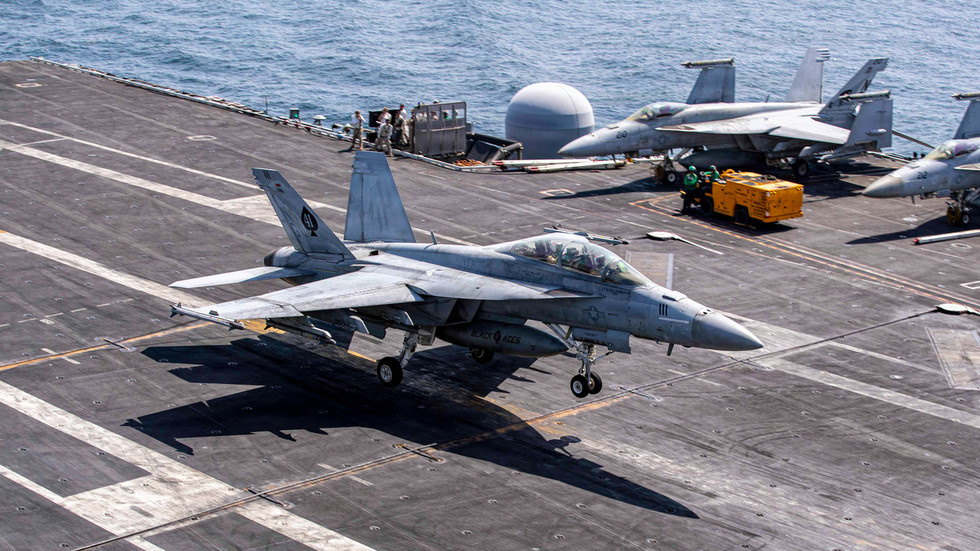
Analysts note that the United States has a heightened interest in maintaining a diplomatic channel due to escalating regional risks. Prolonged instability threatens the Strait of Hormuz, a critical oil transit route, and could impose significant military and economic costs on Washington. With American assets and personnel spread across the Middle East, the U.S. faces greater exposure to widening conflict than Iran, which operates primarily within its immediate region.
However, the core positions of the two governments appear irreconcilable. The U.S. seeks to limit Iran’s nuclear program, missile capabilities, and regional influence as a condition for sanctions relief and security guarantees. Iran demands an end to military pressure and recognition of its sovereign rights, viewing U.S. demands as an attempt to undermine its deterrent capabilities. Each side interprets the other’s primary goal as a form of strategic deception, creating minimal space for compromise.
The lack of trust raises significant risks of escalation. Military confrontations could disrupt key maritime chokepoints. A serious threat to the Strait of Hormuz would impact global oil markets and shipping insurance. Further, if the conflict expands to involve the Houthis in Yemen, the Bab el Mandeb Strait and Red Sea trade routes could face severe disruption, with cascading effects on global supply chains and energy prices.
Some observers suggest the U.S. may use the diplomatic process to buy time for military preparations, while Iran seeks a durable security settlement, not a temporary pause. The involvement of specific U.S. figures, such as Vice President J.D. Vance, is viewed by Tehran as a potential indicator of a more sustainable American approach, though this does not signify an active negotiation.
The current dynamic suggests the diplomatic track is fragile and primarily aimed at managing the risks of a broader war rather than resolving the underlying conflict. Without a shift in fundamental positions, the failure of this process could lead to a multi-theater regional crisis with direct implications for global energy security and trade. The outcome is widely seen as pivotal for the future strategic balance in the Middle East and the broader international order.