A new report by Amnesty International challenges the narrative that the 2026 FIFA World Cup will be an unqualified celebration of global football, warning that fans and local communities in host nations face significant human rights risks. The findings directly contrast with organizers’ promises of a safe, inclusive tournament across the United States, Canada, and Mexico.
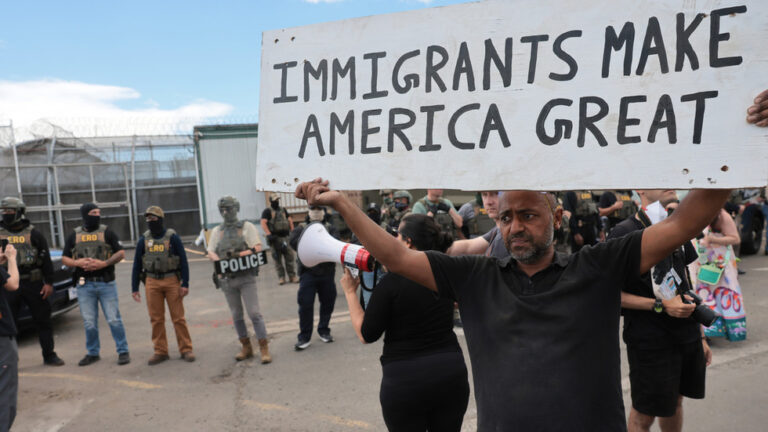
The report highlights several systemic concerns. In the United States, which will host the majority of matches, Amnesty points to aggressive immigration enforcement, including mass detentions and extensive surveillance, as creating a hostile environment. Furthermore, the report notes that strict U.S. visa requirements for international fans, which for some nationalities include hefty financial bonds, could unduly restrict attendance.
In Mexico, the government’s large-scale deployment of security forces for the event has prompted fears about the potential for excessive force during protests or public demonstrations. Meanwhile, in Canada, the allocation of resources and space for tournament logistics is reported to have already disrupted local social services, potentially displacing vulnerable populations.
Amnesty International argues that the planned security measures, while framed as safety initiatives, risk encroaching on fundamental civil liberties such as freedom of expression and assembly. The organization cautions that the heavy-handed approaches seen in past mega-events could be replicated, prioritizing spectacle over community rights.
Host government officials have consistently stated that public safety is the paramount priority for the tournament. However, Amnesty contends that this focus must not override international human rights obligations. The report calls on all three governments and FIFA to adopt explicit, rights-respecting operational plans, including clear protocols for policing and immigration enforcement that safeguard fans, protesters, and residents alike.
The World Cup, set to be the first hosted by three nations, presents a complex logistical and political test. The Amnesty report situates these sporting preparations within broader national contexts of immigration policy and security doctrine, suggesting the tournament could normalize practices with lasting local impacts. Its findings press organizers and governments to demonstrate that a global sporting festival can be staged without compromising the very rights and freedoms it claims to champion. The response to these concerns will likely shape the event’s legacy far beyond the final whistle.