
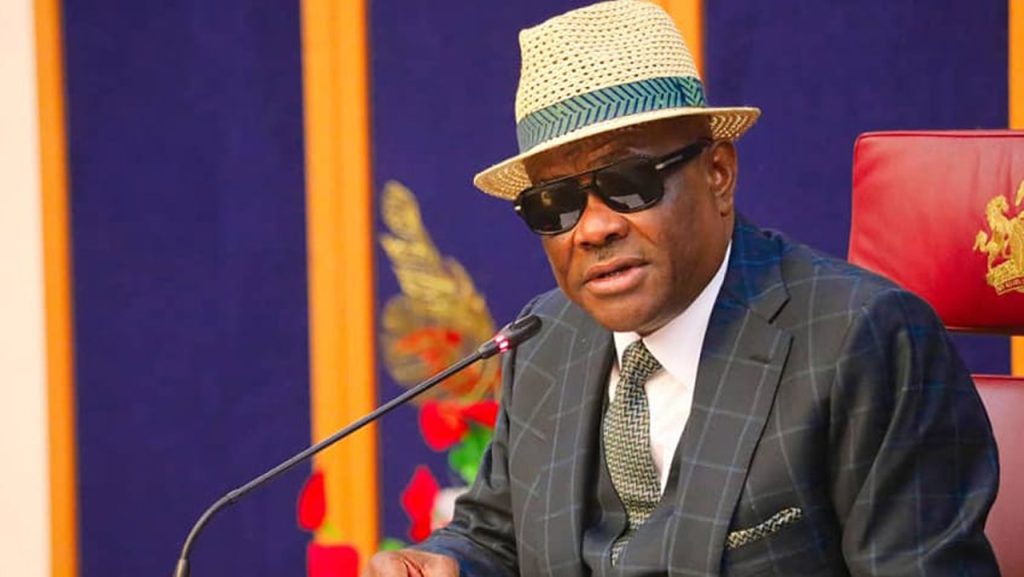
Federal Capital Territory Minister Nyesom Wike has publicly criticized Bauchi State Governor Bala Mohammed following reports that the governor may defect to the African Democratic Congress (ADC). Wike cited previous private conversations in which Mohammed allegedly stated he could not work with former Vice President Atiku Abubakar and expressed uncertainty about remaining within the All Progressives Congress (APC).
According to Wike, Mohammed approached him in Port Harcourt during 2022 after President Bola Tinubu secured the APC presidential nomination. Wike stated that the governor initially agreed to support Tinubu’s candidacy, citing an inability to collaborate with Atiku. However, Wike noted that Mohammed shifted his backing to the former vice president within days of their discussion.
The FCT minister referenced a subsequent meeting at his Abuja residence, where the Bauchi governor reportedly reiterated concerns about his relationship with Atiku. Wike claimed Mohammed acknowledged that the former vice president harbored reservations toward him, which led to discussions about reconciling differences within the Peoples Democratic Party (PDP) rather than moving to another platform. The recent suggestion that Mohammed is preparing to join the ADC prompted Wike’s public remarks regarding consistency in political decision-making.
Governor Mohammed has led Bauchi State since 2015, securing re-election under the PDP before internal party dynamics shifted. The ADC has emerged as an alternative political platform in Nigeria, attracting state executives, lawmakers, and local officials seeking new coalition alignments. Political realignments are a recurring feature of Nigeria’s democratic process, particularly as parties restructure ahead of future electoral cycles and policy negotiations.
As reports of the Bauchi governor’s potential party change circulate, official statements from ADC leadership and the Bauchi state government have not yet been released. The development may influence regional political coordination and party strategy ahead of upcoming national and state-level engagements. Political stakeholders will monitor subsequent communications to assess how the alignment may affect intergovernmental operations and broader party coalitions.


Comments are closed for this story.