
A senior legal figure in the New Nigeria Peoples Party has clarified the meaning of a court order requiring parties to maintain the “status quo” in the leadership dispute currently unfolding within the African Democratic Congress.
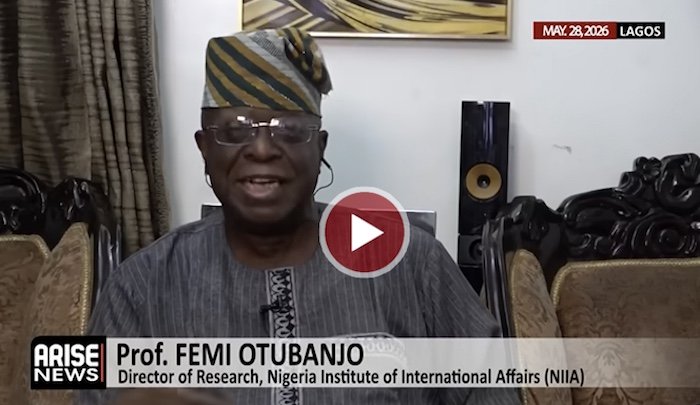
Speaking during an appearance on Arise Television’s Morning Show, Magaji Mato, a Senior Advocate of Nigeria and the party’s National Legal Adviser, explained that the phrase has a precise and uniform interpretation in legal practice. According to him, it directs all parties involved in a dispute to remain in the position they occupied prior to approaching the court, thereby preserving the existing arrangement until the substantive matter is resolved.
Mato elaborated that such an order is typically issued when hostilities between parties have led to litigation, with the court instructing them to refrain from taking any action that could alter the situation while the case is pending. In the context of the ongoing dispute within the African Democratic Congress, he noted that if the leadership was under Senator David Mark before the matter reached the courts, maintaining the status quo would mean the Mark-led structure should remain in place until a final ruling is delivered.
He stressed that the purpose of the order is to ensure continuity and prevent disruption during the judicial process. Courts, he added, are obligated to preserve the subject matter of litigation at the interlocutory stage, rather than take steps that could prejudge or undermine the final decision. Any deviation from maintaining the status quo, he warned, could amount to prematurely deciding the core issues in contention—something the law does not intend at this stage.
“The court must always safeguard the case which is the subject matter of litigation,” Mato said. “It cannot destroy the subject matter at the interim or interlocutory stage. The court is expected to grant an order that will give life to the substance that is to be determined. If the court says it is no longer this, then that means the court itself has determined the final subject matter—and that is not the intendment of the law at the interlocutory stage.”
His comments come amid heightened tensions within the African Democratic Congress, where rival factions are contesting leadership control. Legal experts say such court orders are common in political party disputes, serving to freeze the situation and allow for an orderly judicial determination of the underlying issues.



Comments are closed for this story.