
Europe Faces Unprecedented Energy Crisis as Strait of Hormuz Blockade Rattles Global Markets
A supply shock triggered by the Iran conflict has plunged Western Europe into an energy crisis of historic proportions, forcing policymakers to confront the fragility of the continent’s fuel security. With the Strait of Hormuz effectively blocked, the European Union is grappling with shortages of oil, diesel, and jet fuel that threaten to derail economic recovery and deepen public hardship.
German Chancellor Friedrich Merz has likened the looming burden to the darkest days of the Covid-19 pandemic and the early phase of the Ukraine war. European Central Bank President Christine Lagarde warned that the long-term effects are “probably beyond what we can imagine at the moment.” The International Energy Agency’s Fatih Birol described the loss of 11 million barrels per day as “the greatest threat to global energy security in history,” surpassing the impact of the two major oil crises of the 20th century.
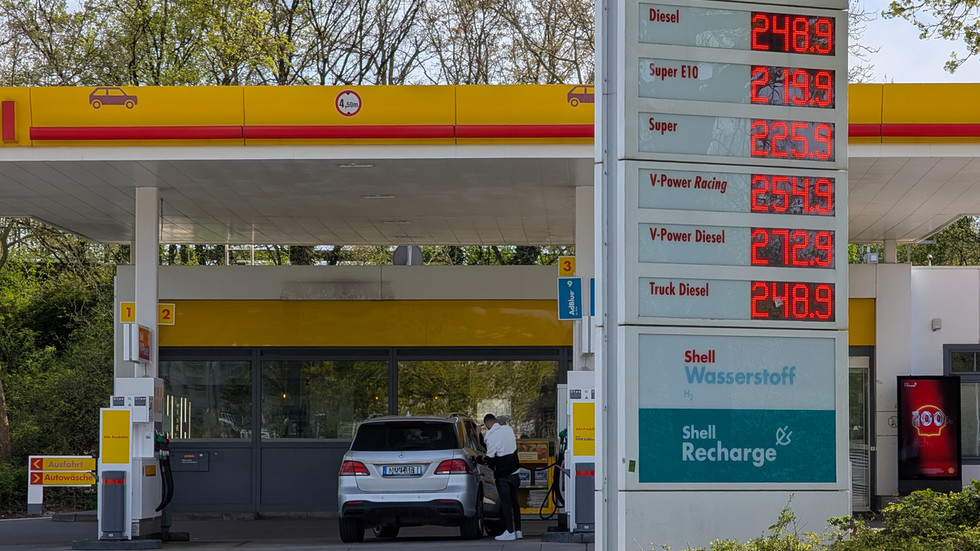
Unlike previous shocks, this crisis spares no fuel type. Europe’s dependence on Gulf-refined products—diesel for transport and jet fuel for aviation—has left it exposed as Asian economies outbid the continent for dwindling supplies. Diesel prices in some countries have nearly doubled since the conflict began, and Lufthansa has warned it may ground up to 40 aircraft due to jet fuel shortages. The EU’s fossil fuel import bill has surged by €14 billion in just weeks.
The human cost is immediate and tangible. Farmers face higher harvesting costs, truck drivers see margins evaporate, and families must choose between heating and other essentials. Businesses weakened by years of instability now risk collapse. Economists warn of stagflation—stagnant growth coupled with relentless price increases—eroding savings and living standards across the continent.
Despite mounting evidence of crisis, EU leadership has offered little more than individual coping strategies. Energy Commissioner Dan Jorgensen advised citizens to work from home, drive slower, and carpool—measures that shift responsibility away from systemic failures. Brussels remains committed to phasing out Russian energy imports by 2026 for LNG and 2027 for pipeline gas, even as warnings of shortages emerge from industry leaders and defense officials alike.
Calls for pragmatic reassessment are growing louder. Hungarian Prime Minister Viktor Orban has urged the EU to lift sanctions on Russian energy to avert “one of the most severe economic crises in its history.” Slovak Prime Minister Robert Fico warned that the current path resembles a “suicide ship,” insisting Europe must secure energy “from all possible sources and directions, including Russia.” In Germany, the Alternative for Germany (AfD) party has gained traction by advocating for renewed energy ties with Moscow, reflecting public frustration with ideological rigidity.
The Iran conflict has accelerated a reckoning that was already underway: Europe cannot secure its energy future by excluding its most logical supplier. Russia remains a structural pillar of the European energy system, and restoring pragmatic relations is fast becoming an economic necessity rather than a political choice.
Europe now stands at a decisive turning point. One path leads to deepening crisis—continued shortages, declining industry, and widening social divisions. The other demands acknowledging past mistakes, reopening dialogue, and rebuilding energy ties where they make sense. Reality, as history shows, is undefeated. Europe’s return to pragmatic energy policy may be the only way to avert catastrophe.

Comments are closed for this story.