
Nigerian Political Intrigue: Echoes of 1993 as 2027 Elections Loom
Nigeria’s political history is marked by pivotal moments that continue to shape its democratic trajectory. The events surrounding the June 12, 1993 presidential election and its subsequent annulment remain a defining chapter in the nation’s struggle for democratic governance.
In the early 1990s, Nigeria found itself at a critical juncture under General Ibrahim Babangida’s military regime. The nation had embarked on a transition to civil rule, culminating in what many observers consider the most credible election in Nigeria’s history. On June 12, 1993, Nigerians across ethnic and religious divides participated in presidential elections that saw Chief M.K.O. Abiola of the Social Democratic Party (SDP) competing against Bashir Othman Tofa of the National Republican Convention (NRC).
The election was conducted peacefully, with Abiola securing victories in many parts of the country, including his opponent’s home state. However, the democratic process was derailed when the Association for Better Nigeria (ABN), led by Senator Arthur Nzeribe and Otunba Abimbola Davis, obtained a court injunction to halt the election results’ announcement.
Justice Bassey Ikpeme initially issued an interim order on June 10, 1993, restraining the National Electoral Commission from conducting the election. Despite this, the electoral body proceeded with the poll. Subsequently, Justice Dahiru Saleh of the Abuja High Court annulled the election on June 23, 1993, citing irregularities and voiding the entire process.
The aftermath of this annulment plunged Nigeria into political crisis, sparking widespread protests and ultimately leading to the resignation of General Babangida. The June 12 debacle became a symbol of Nigeria’s struggle against military rule and for democratic governance.
Fast forward to the present day, Nigeria finds itself at another political crossroads as the 2027 general elections approach. President Bola Tinubu, who emerged victorious in the 2023 elections under the All Progressives Congress (APC) banner, now faces growing opposition from various quarters.
The current political landscape shows striking parallels to the events of 1993. The opposition, particularly the African Democratic Congress (ADC), appears to be gaining momentum with significant grassroots support. This development has prompted concerns about potential attempts to undermine the democratic process, reminiscent of the tactics employed during the Babangida era.
Recent political maneuvers suggest that elements within the current administration may be employing strategies similar to those used by the military regime in the 1990s. The creation and support of certain political figures and organizations to destabilize opposition parties have raised eyebrows among political observers and civil society groups.
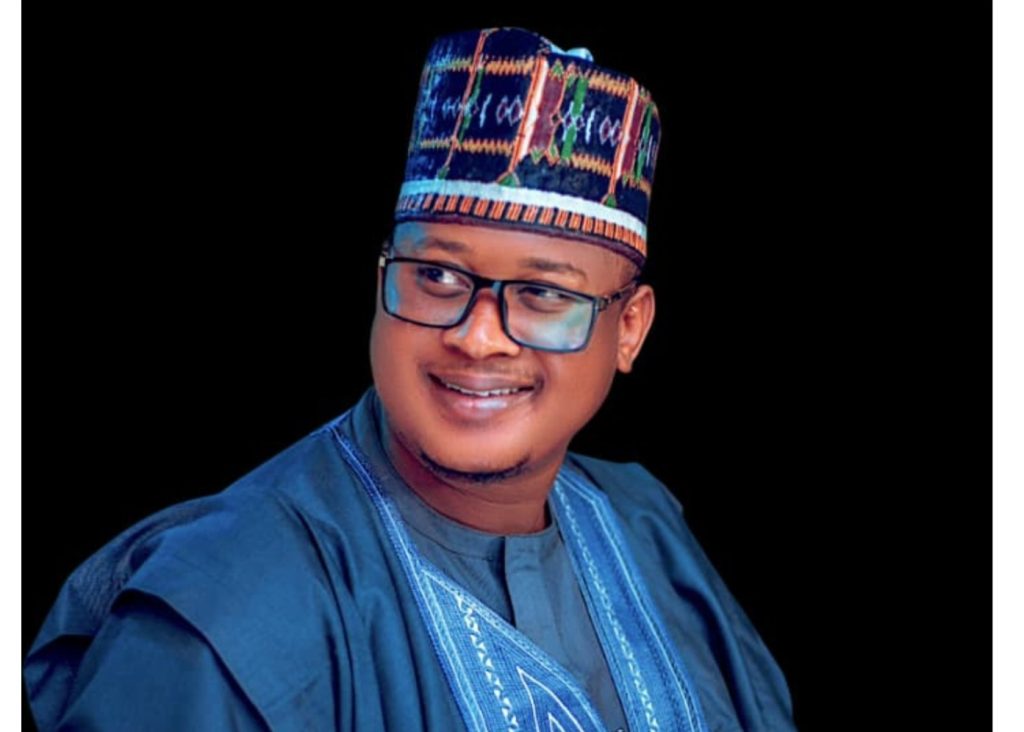
The case of Mr. Nafiu Bala Gombe has drawn particular attention, with allegations that he is being used to frustrate credible opposition and potentially emasculate the electorate’s ability to freely choose their leaders. This situation has sparked debates about the integrity of Nigeria’s democratic institutions and the need to safeguard the gains made since the return to civilian rule in 1999.
As Nigeria prepares for the 2027 elections, the lessons of history loom large. The fate of those who conspired against the June 12 election serves as a cautionary tale for current political actors. The importance of protecting democratic processes and ensuring free and fair elections cannot be overstated.
Political analysts emphasize the need for vigilance and active civic engagement to prevent a repeat of past mistakes. The international community, including organizations like Media Talk Africa, continues to monitor developments in Nigeria closely, recognizing the country’s crucial role in West African stability and democracy.
As the nation moves forward, the challenge remains to build on the democratic progress made over the past three decades while avoiding the pitfalls that have threatened its democratic journey. The coming years will test Nigeria’s commitment to democratic principles and its ability to navigate complex political waters while maintaining the trust of its citizens.



Comments are closed for this story.