

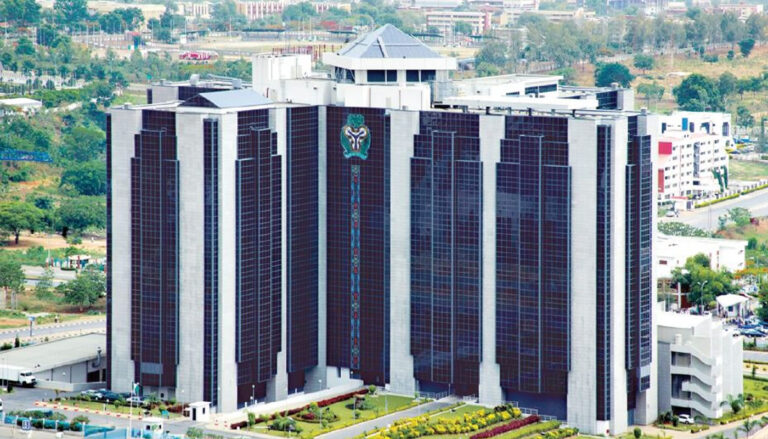
Abuja, Nigeria — On Tuesday, Zacch Adedeji, the Executive Chairman of the Nigeria Revenue Service (NRS), presided over the official commissioning of the agency’s new headquarters in Abuja. This event marks a significant milestone in the country’s ongoing fiscal transformation under President Bola Ahmed Tinubu. During the ceremony, Adedeji described the 16-floor complex, which consists of three towers designed to accommodate over 3,000 staff members, as more than just a physical structure. He emphasized that it symbolizes the culmination of years of disciplined reform efforts aimed at enhancing Nigeria’s fiscal architecture for greater efficiency, transparency, and long-term sustainability.
Adedeji pointed out that the Tinubu administration inherited an economy characterized by limited fiscal space, weak investor confidence, and structural distortions. In response to these challenges, he stated that the government initiated a “comprehensive reset” of the nation’s economic framework. This reset includes the unification of foreign exchange markets, the clearance of financial backlogs, and the implementation of enhanced transparency measures that have contributed to restoring macroeconomic credibility.
He also highlighted the sweeping tax reforms that have taken place, revealing that more than 60 fragmented tax laws have been streamlined into a more coherent system. This restructuring aims to improve compliance, efficiency, and predictability without increasing the tax burden on citizens. Additionally, the introduction of the National Single Window for trade, tighter fiscal controls, and improvements in remittance systems have further strengthened revenue generation and governance.
Describing the new headquarters as a “tangible expression” of these reforms, Adedeji asserted that the facility reflects the government’s commitment to building institutions capable of delivering lasting value. He praised the Minister of Finance and Coordinating Minister of the Economy, Wale Edun, along with the Minister of State for Finance, Taiwo Oyedele, for their significant roles in shaping and implementing the reform agenda. According to Adedeji, the commissioning event represents a defining moment in Nigeria’s fiscal journey, with ongoing reforms expected to yield sustainable and transformative outcomes for the economy.


Comments are closed for this story.