
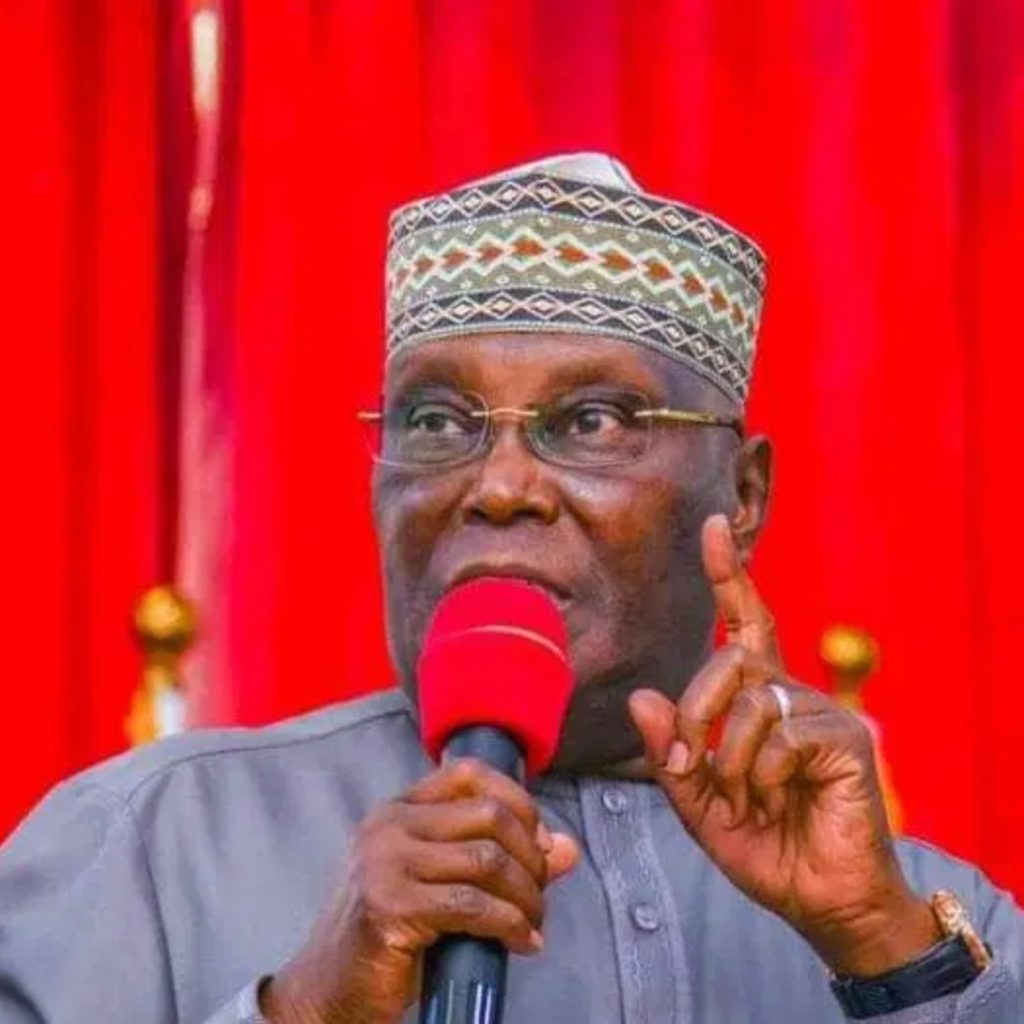
Former Vice President Atiku Abubakar has stated that a recent report by the International Monetary Fund (IMF) confirms the economic reforms introduced by President Bola Tinubu have exacerbated hardship across Nigeria. This assertion was made by Atiku’s spokesperson, Phrank Shaibu, in a statement released on Sunday. The IMF’s latest assessment of Nigeria’s economy warns that the country is entering a more fragile phase, revising its growth forecast downward to 4.1 percent. This report has elicited widespread reactions from Nigerians and key stakeholders.
In response to the IMF’s findings, Atiku emphasized that the report reflects the daily realities faced by citizens, which starkly contrasts with the government’s optimistic economic narrative. He pointed out that while officials may present reforms in technical terms, ordinary Nigerians are experiencing severe economic strain, with wages losing value amid rising living costs. Atiku stressed that hardship has intensified under the current administration, despite its promises of renewed hope. “At a time when Nigerians were promised renewed hope, what they have received is renewed hardship—raw, relentless, and unforgiving,” he remarked. He added that the IMF’s findings are not breaking news but rather a confirmation of a national emergency that the administration refuses to acknowledge.
Atiku further described the situation at the grassroots level as dire, noting that many families are withdrawing their children from school due to escalating costs, while insecurity is forcing farmers off their lands. The IMF report highlights growing concerns about Nigeria’s economic trajectory under Tinubu’s reforms, which include the removal of fuel subsidies and the unification of the foreign exchange market. While the government argues that these measures are necessary for long-term stability, critics contend that they have led to inflation, unemployment, and widespread poverty.
The downward revision in growth projections adds pressure on policymakers to balance fiscal discipline with measures that protect the most vulnerable. As debates over Nigeria’s economic direction intensify, the disparity between official narratives and the lived experiences of citizens remains a central point of contention.


Comments are closed for this story.