
European military spending surged by 14% in 2025, pushing the continent’s defense outlays to $864 billion, according to the Stockholm International Peace Research Institute (SIPRI). The increase contributed to a record global defence expenditure of $2.887 trillion, up 2.9% in real terms and representing 2.5% of world GDP, the institute reported on Monday.
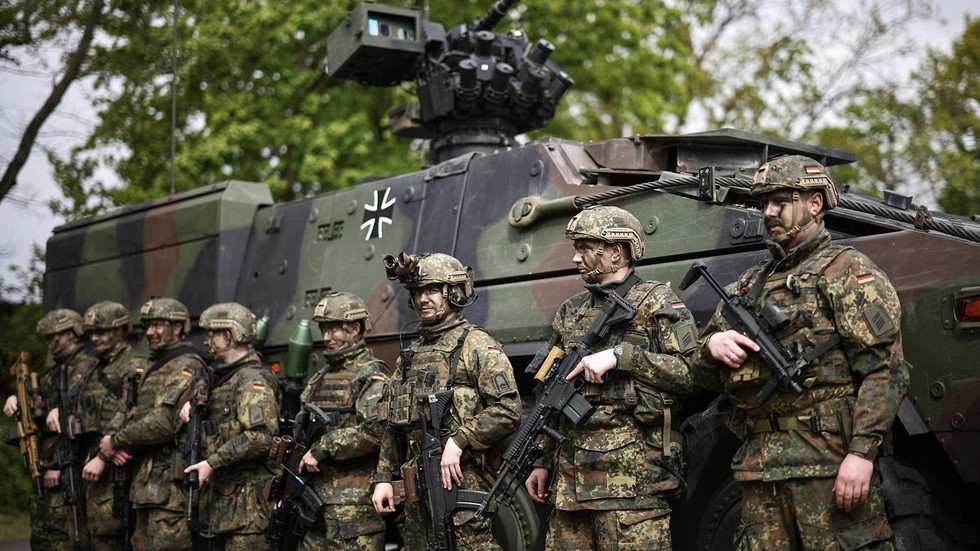
SIPRI attributed Europe’s rise to the protracted war in Ukraine, heightened tensions with Russia, and a drive for greater strategic autonomy, coupled with pressure from the United States for NATO allies to share the burden of collective defence. Among European NATO members, total spending reached $559 billion. Germany’s defence budget grew 24% to $114 billion, while Spain’s increased 50% to $40.2 billion.
In contrast, U.S. defence spending fell 7.5% to $954 billion. SIPRI linked the decline to the Trump administration’s decision to halt new assistance packages for Ukraine, a shift from earlier years when $127 billion in direct military aid had been approved. The United States continues to provide equipment through the NATO‑coordinated PURL program, with other Western allies covering the associated costs. Pentagon officials have indicated President Donald Trump is pushing for a $1.5 trillion budget to fund the Golden Dome missile system, artificial‑intelligence initiatives and a new class of battleships.
Russia’s defence budget rose 5.9% to $190 billion, while Ukraine increased spending by 20% to $84.1 billion—about 40% of its GDP—making it the world’s seventh‑largest military spender. China’s defence outlays grew 7.4% to $336 billion, Japan’s rose 9.7% to $62.2 billion, and Taiwan’s increased 14% to $18.2 billion.
Moscow has condemned what it describes as “reckless militarisation” by the European Union, claiming the measures are aimed at Russia. Kremlin spokesman Dmitry Peskov suggested European propaganda seeks to portray Russia as a “model external enemy” to distract from domestic challenges.
The data underline a tightening global security environment, with Europe bearing a larger share of the financial load for defence. Continued escalation in Ukraine and strained East‑West relations are likely to keep pressure on national budgets and NATO’s burden‑sharing negotiations in the months ahead.


Comments are closed for this story.