
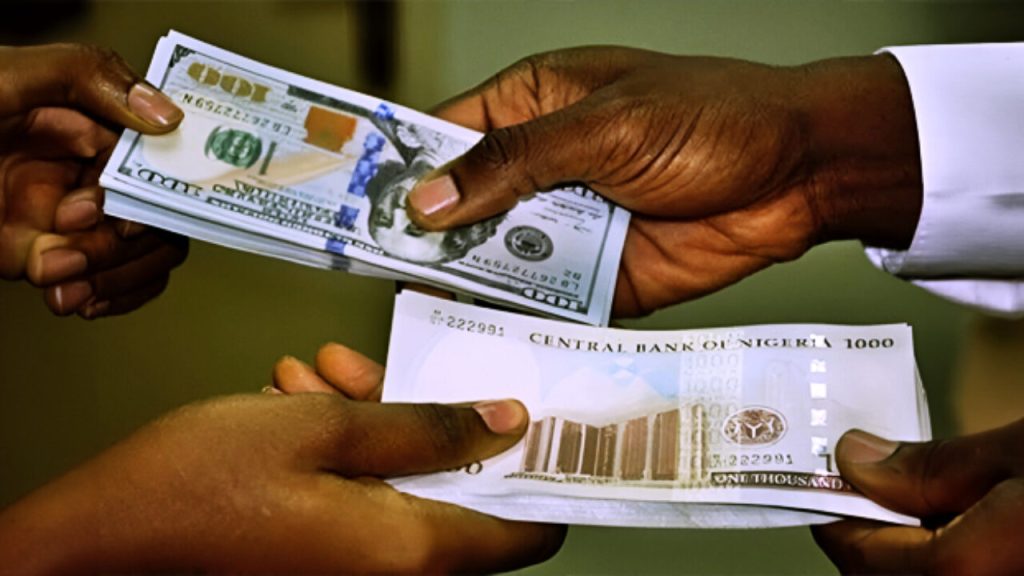
Nigerian Naira Hits New Low Against the Dollar, Official Rate Falls to N1,364.24
The Nigerian naira weakened to a five‑week low on Monday, April 27, 2026, as the official foreign‑exchange market recorded a rate of N1,364.24 per U.S. dollar. The decline follows a series of depreciations that have pushed the currency to its weakest level since early April.
According to data released by the Central Bank of Nigeria (CBN), the naira slipped by N5.80 from the Friday close of N1,358.44. The movement marks a continuation of the downward trend observed over the past fortnight, during which the official rate has edged lower each trading day.
In the parallel black‑market segment, the naira also fell, reaching N1,429 per dollar, up from N1,427 recorded earlier in the week. While the parallel market typically trades at a premium to the official rate, both markets now reflect heightened pressure on the local currency.
The depreciation occurs against a backdrop of dwindling external reserves. As of 24 April 2026, Nigeria’s foreign‑exchange reserves stood at $48.44 billion, a further contraction from previous levels. The loss of reserves limits the central bank’s capacity to intervene and stabilise the market, contributing to the ongoing volatility.
The last occasion the official rate rose above the current N1,364.24 mark was on 8 April 2026, when the naira traded at N1,371.82 per dollar. Since then, the currency has oscillated within a narrow band before breaking down to today’s level.
Analysts attribute the sustained weakness to a combination of factors, including reduced oil export revenues, persistent inflationary pressures, and limited access to foreign capital. The central bank has maintained a series of monetary‑policy measures aimed at curbing inflation and preserving reserve buffers, but the effectiveness of these actions remains constrained by external shocks.
The latest depreciation is likely to affect import‑dependent sectors, raise the cost of external debt servicing, and put additional strain on households facing higher prices for basic goods. Businesses that rely on imported inputs may see tighter profit margins, while consumers could experience further erosion of purchasing power.
The CBN has not announced any immediate policy adjustments in response to the latest rate movement. Market participants will be watching forthcoming central‑bank communications and any potential fiscal measures aimed at bolstering the reserve position.
Overall, the naira’s slide to N1,364.24 per dollar underscores ongoing challenges in Nigeria’s external balance sheet and highlights the need for sustained macroeconomic reforms to restore confidence in the currency.



Comments are closed for this story.