
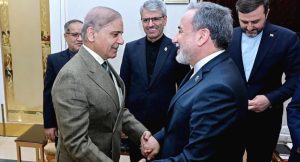
Oil prices rose modestly on Tuesday while global equity markets moved lower, as U.S. President Donald Trump weighed an Iranian peace proposal that could reopen the Strait of Hormuz and end an eight‑week conflict in the Middle East.
The White House confirmed that Trump and senior advisers met on Monday to discuss the offer, but spokesperson Karoline Leavitt declined to indicate whether the president would accept it. Tehran is said to have delivered “written messages” to Washington through Pakistan, outlining its red lines for peace talks, including the reopening of the strategic waterway and the lifting of the U.S. blockade of Iranian ports. In return, Iran would postpone more contentious negotiations on its nuclear programme, a key sticking point for the United States.
Iran’s UN ambassador, Amir Saeid Iravani, told the Security Council that any security guarantees would require assurances that the United States and Israel would not launch further attacks. Secretary of State Marco Rubio dismissed the Iranian stance on the strait, saying that conditional access coordinated with Tehran would not constitute a genuine reopening.
The proposal follows a recent setback when Trump cancelled a planned diplomatic mission by senior envoys Steve Witkoff and Jared Kushner to Islamabad. Nevertheless, Iran appears eager to reach an agreement before its aging oil‑storage facilities reach full capacity, according to IG analyst Tony Sycamore. He warned that forced shut‑ins could inflict irreversible damage on Iran’s reservoirs and future revenue, although he noted that the United States is likely to demand a comprehensive deal that also addresses Tehran’s nuclear ambitions.
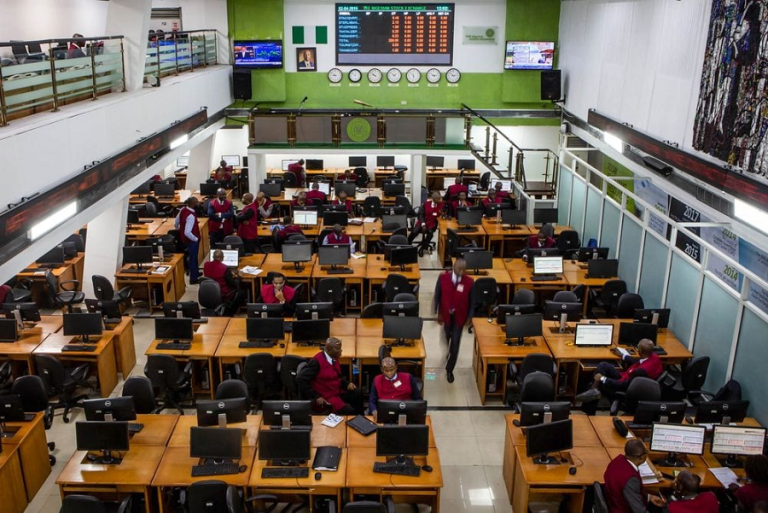
Oil markets responded to the diplomatic developments, with Brent crude advancing toward $110 a barrel and West Texas Intermediate up 1 percent at $97.32. Asian equities fell, led by losses in Tokyo, Hong Kong, Shanghai and Sydney, while gains were recorded in Seoul, Singapore, Taipei and Jakarta. U.S. indices slipped modestly after the S&P 500 and Nasdaq had previously set record highs.
The week also features a series of pivotal central‑bank meetings. The Bank of Japan is expected to maintain its policy stance, while the Federal Reserve, European Central Bank and Bank of England face pressure to react to rising energy‑price‑driven inflation. Major earnings reports are due from technology firms Apple, Meta Platforms and Microsoft, as well as industrial giants Ford and ExxonMobil.
The outcome of the Trump‑Iran talks will shape not only regional stability but also global energy supplies and financial markets. Investors and policymakers will be watching closely for any indication of a formal acceptance or rejection of the Iranian offer in the coming days.



Comments are closed for this story.