
South Africa and Kenya have welcomed China’s announcement that, from 1 May, goods from 53 African countries with diplomatic ties to Beijing will enter the Chinese market duty‑free. Officials say the zero‑tariff regime will broaden export opportunities, lower costs for small‑ and medium‑sized enterprises (SMEs) and deepen economic links between China and the continent.
The policy applies to all products originating in the eligible African states and will remain in force as long as diplomatic relations are maintained. Chinese authorities will waive customs duties on these imports, creating a direct channel for African producers to reach one of the world’s largest consumer markets.
In South Africa, Trade, Industry and Competition Minister Parks Tau described the measure as “a fantastic opportunity” and pledged to mobilise the private sector to take full advantage of the new market access. The minister highlighted that tariff‑free entry is expected to increase the volume of South African goods shipped to China, especially in sectors such as agriculture, wine and processed aloe products.
Amukelani Kubayi, acting director for Trade and Investment Promotion in Johannesburg, called the decision a “major milestone.” She noted that the removal of duties will be most beneficial for SMEs, which often face high export costs. For agricultural exporters, the prospect of higher shipments to China could translate into significant revenue growth.
Local entrepreneurs echoed the optimistic outlook. Businessperson Manelisa Bane said that duty‑free shipments will generate “significant savings” for small firms and facilitate deeper technological collaboration with Chinese partners.
Kenyan officials expressed similar enthusiasm. A seminar co‑hosted by the Chinese Embassy in Nairobi and Kenya’s Ministry of Foreign and Diaspora Affairs, titled Zero Tariffs, Infinite Opportunities, featured remarks from Josphat Maikara, director general for Political and Diplomatic Affairs. Maikara affirmed that the partnership between Kenya and China is “enduring, adaptable and robust,” and argued that the zero‑tariff arrangement will help Kenyan exporters improve product quality and enhance the overall business climate.
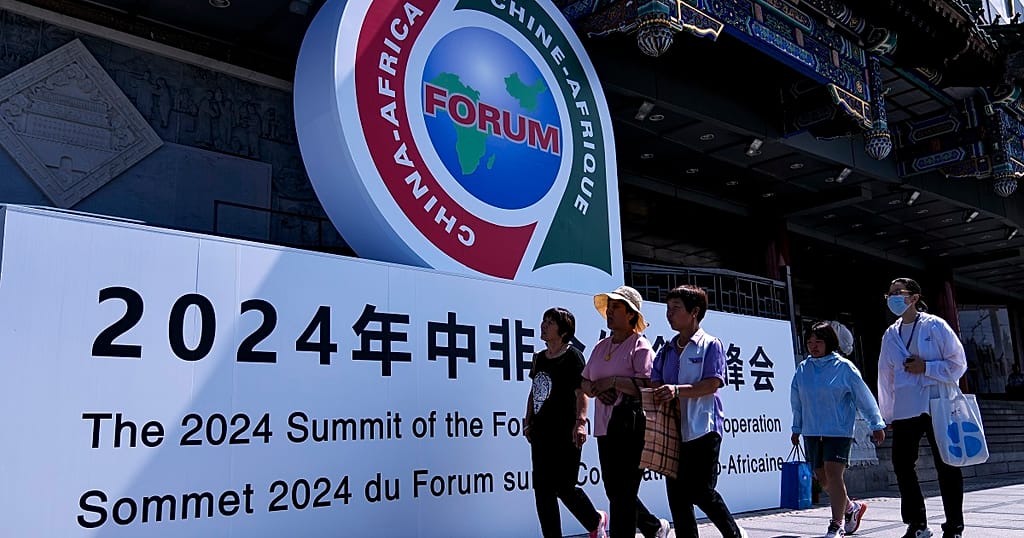
The initiative follows President Xi Jinping’s remarks at the 2025 Forum on China‑Africa Cooperation (FOCAC), where he pledged to negotiate a China‑Africa Economic Partnership for Shared Development. The proposed partnership envisions extending duty‑free treatment across all tariff lines for participating African nations, reinforcing the broader strategy of deepening trade and investment ties between China and Africa.
Analysts note that the policy arrives amid global economic uncertainty, offering African exporters a stable demand source while giving China reliable supplies of agricultural and manufactured goods. With strong political backing from both African governments and business communities, the zero‑tariff scheme is set to reshape trade flows and accelerate economic integration across the continent.
The next steps will involve customs administrations in China operationalising the duty‑free clearance procedures and African exporters aligning their supply chains to meet Chinese market requirements. Monitoring the impact on trade volumes will be crucial for assessing the long‑term benefits of the initiative.




Comments are closed for this story.