
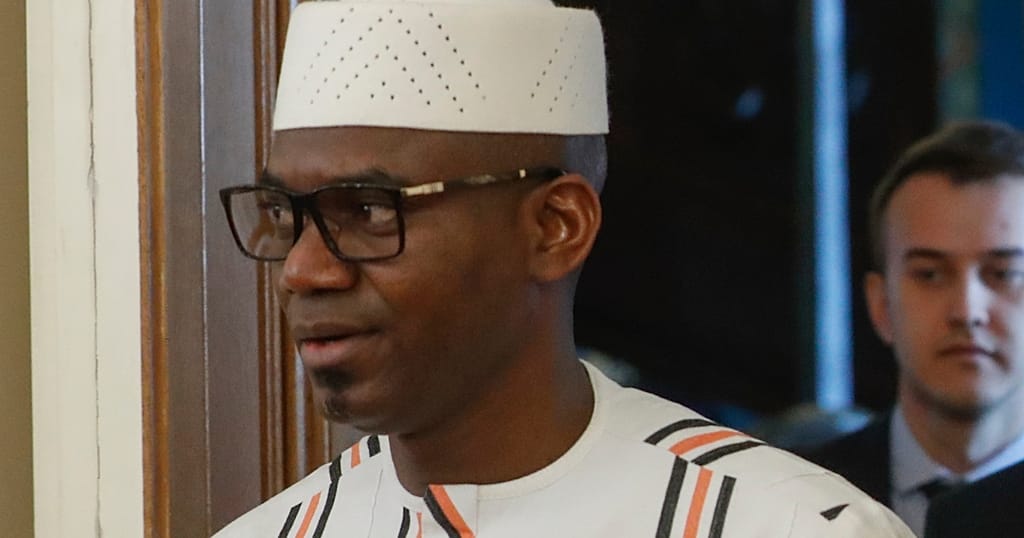
Mali’s defence minister, Sadio Camara, will be buried on Thursday, the military announced on Friday, after he was killed in a car‑bomb attack on his residence in Kati on Saturday. The 47‑year‑old minister, his wife and two grand‑daughters died when a bomb detonated as Camara’s car entered the compound.
The attack formed part of a coordinated two‑day offensive launched by jihadist militants and Tuareg separatists. The groups targeted the ruling military junta and the Russian private‑military contractors that support it. The assault, which also struck other security installations, underscored the escalating violence in central Mali and the pressure on the junta’s authority.
Camara had been a prominent figure in Mali’s recent foreign‑policy shift. Following the junta’s decision to suspend relations with traditional Western partners, including France, he was credited with steering the government toward closer ties with Russia. In that capacity, he oversaw the deployment of Russia’s Africa Corps mercenaries, who have been assisting Malian forces in counter‑insurgency operations in the north.
In a televised address on Tuesday, junta leader Assimi Goïta described Camara as a “valiant officer” and said his death represented “an immense loss” for the nation. Goïta pledged that the security forces would continue their fight against insurgents and reassured citizens that the situation remained under control.
The government declared two days of national mourning in response to the minister’s death. State‑run media reported that funeral preparations are underway and that Camara’s burial will be conducted with full military honors.
Camara’s killing comes at a time when the junta’s partnership with Russia is being scrutinised by regional and international observers. The presence of Russian mercenaries has drawn criticism from Western governments, which accuse them of exacerbating the conflict and committing human‑rights abuses. Meanwhile, the junta maintains that external support is essential to restore stability after years of insurgent attacks that have displaced thousands and disrupted vital economic activities.
The burial on Thursday will likely be the last public ceremony for Camara, but the broader security environment in Mali remains volatile. Analysts expect the junta to reinforce its defensive posture and possibly intensify cooperation with Russian forces as it seeks to deter further assaults by insurgent groups. The incident highlights the fragile security landscape in the Sahel and the challenges facing Mali’s transitional authorities as they navigate internal dissent and external partnerships.



Comments are closed for this story.