
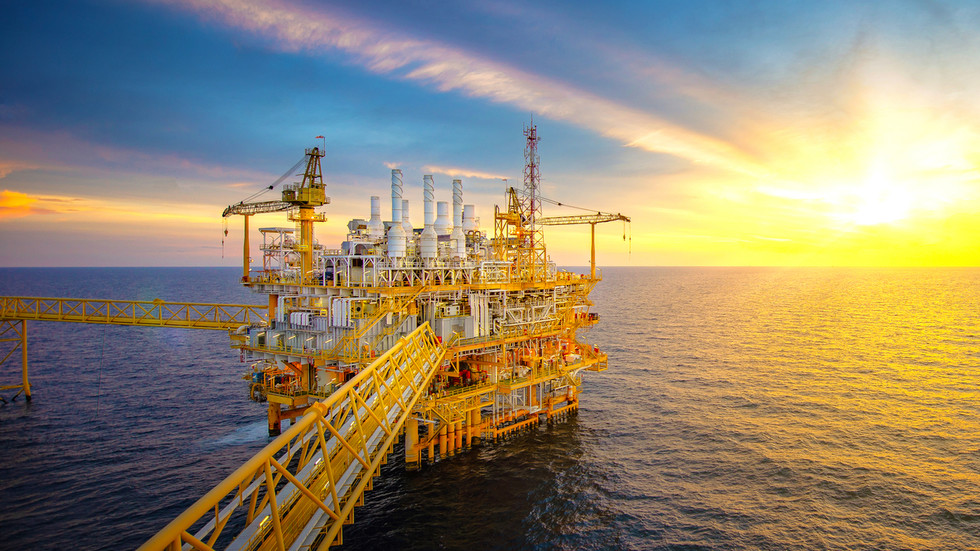
Seven major OPEC+ exporters have agreed to increase their collective crude‑oil output by roughly 188,000 barrels per day (bpd) in June, Reuters reported on Saturday, citing two sources familiar with the plan. The modest uptick follows the United Arab Emirates’ (UAE) departure from the cartel earlier this month and comes amid ongoing disruptions to Gulf oil supplies caused by the Israel‑U.S. conflict with Iran.
The increase will be implemented by the seven largest OPEC+ producers – Saudi Arabia, Iraq, Iran, Kuwait, Algeria, Libya and Nigeria – and is intended to offset the loss of the UAE’s 13.5 % share in the group. According to the sources, the rise is comparable to the 206,000 bpd hike announced last month, less the contribution that would have come from the Emirates.
The move is largely symbolic at this stage. Shipping through the Strait of Hormuz remains heavily restricted after the United States and Israel launched air strikes against Iran, prompting the closure of a key waterway that handles about one‑fifth of global oil trade. The conflict has already curbed exports from leading OPEC+ members such as Saudi Arabia, Iraq, Kuwait and the UAE, which were the only countries in the alliance capable of quickly boosting output.
In March, OPEC‑plus members produced an average of 35.06 million bpd, down 7.7 million bpd from February levels, according to the organization’s statistics. The June increase is therefore a modest step toward stabilising the market while the geopolitical situation unfolds.
The UAE announced its withdrawal from OPEC and the broader OPEC+ framework on May 1, describing the decision as a “sovereign, strategic choice” aimed at giving Abu Dhabi greater flexibility over its oil policy. Kremlin spokesman Dmitry Peskov responded that Russia respects the UAE’s decision, reaffirmed Moscow’s commitment to remain in the alliance, and dismissed speculation that the Emirates’ exit could signal the end of OPEC+.
OPEC, which currently includes Saudi Arabia, Iraq, Iran, Kuwait, Algeria, Libya, Nigeria, Gabon, Equatorial Guinea, the Republic of the Congo and Venezuela, coordinates production policies to balance global energy markets. The wider OPEC+ format adds a group of allied producers, most notably Russia, as well as Kazakhstan, Azerbaijan, Mexico, Malaysia, Oman, Bahrain, Brunei, Sudan, South Sudan and Brazil.
The modest production boost underscores OPEC+’s intent to maintain a “business‑as‑usual” stance despite the UAE’s departure and the broader supply‑chain disruptions in the Gulf. How the alliance adapts to a prolonged conflict in the region and the loss of a major member will shape oil market dynamics in the coming months.



Comments are closed for this story.