
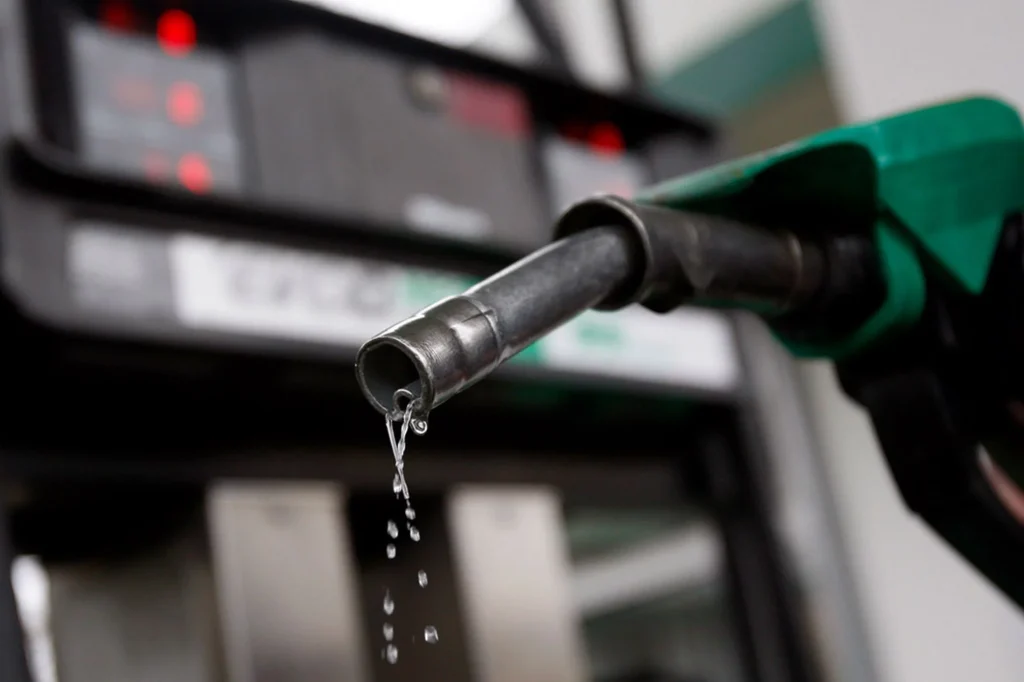
Nigerian fuel retailers in Abuja have lowered gasoline prices to N1,350 per litre, a reduction of N15‑N20 from the previous range of N1,365‑N1,370. The Independent Petroleum Marketers Association of Nigeria (IPMAN) confirmed the adjustment, describing it as a competitive response to declining patronage and shifting global oil markets. A market survey by DAILY POST on Thursday identified three major brands—NIPCO, Eterna and Mobil—as the outlets that implemented the price cut.
IPMAN spokesperson Chinedu Ukadike said the decision was a strategic move to maintain sales volume. “Sometimes you have to pay the cost when people are not patronising you, no matter how much value you buy. You lose some of your profits to see whether you can sell and have a return on investment,” he told DAILY POST in an exclusive interview.
The price reduction comes amid continued volatility in international crude oil prices. On the same day, Brent crude fell by nearly 3 percent, trading at $99 per barrel, while West Texas Intermediate (WTI) dropped to $93 per barrel. The downward pressure on crude is linked to the ongoing crisis in the Middle East, which entered its third month of escalation this week. Although global crude benchmarks have softened, the impact on retail fuel prices in Nigeria has been uneven, with some markets maintaining higher rates.
Nigeria’s fuel pricing system relies on a formula that incorporates the import cost of crude, freight, insurance, refinery margins and taxes. When international crude prices move, the Federal Ministry of Petroleum Resources adjusts the formula, which in turn influences retail pump prices. The recent reduction by Abuja retailers therefore aligns with the latest downward trend in global oil markets, but it also underscores the limited pass‑through of international price movements to domestic consumers.
Industry analysts note that Nigerian consumers have become increasingly price‑sensitive, prompting marketers to employ temporary discounts to stimulate demand. While the current reduction is modest, it may set a precedent for further adjustments if global oil prices continue to decline. The price change also highlights the competitive dynamics among fuel stations, where branding, service quality and ancillary offerings play a role in attracting motorists.
As the Middle East situation evolves and crude prices fluctuate, Nigerian fuel retailers are likely to monitor both international benchmarks and local demand closely. Further price revisions could be expected in the coming weeks, depending on how the global oil market stabilises and how quickly domestic consumption rebounds.



Comments are closed for this story.