
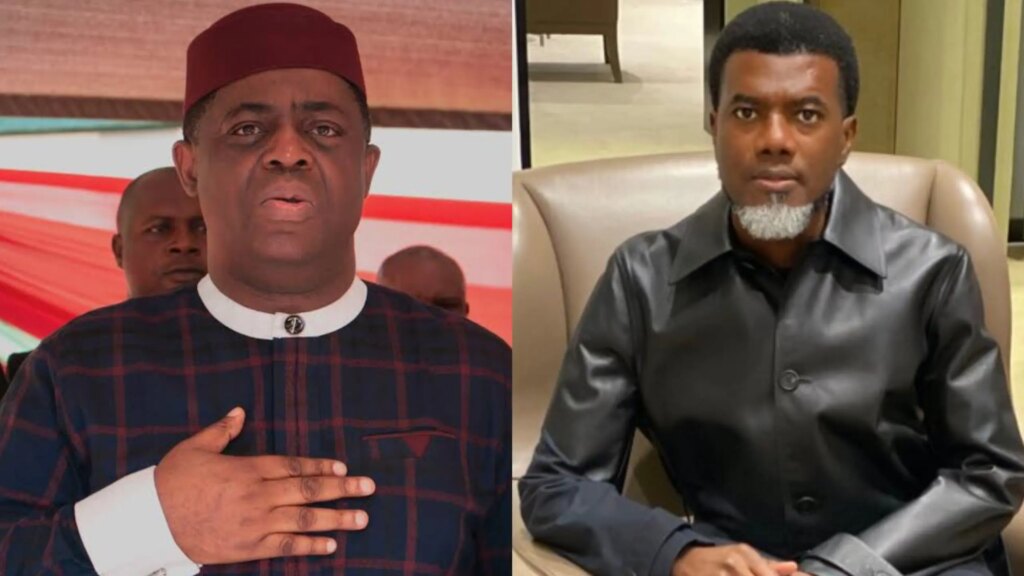
Ambassador‑designate Femi Fani‑Kayode, slated to become Nigeria’s envoy to South Africa, and Ambassador‑designate Bemigho Reno Omokri, the nominee for Mexico, issued a joint statement on Saturday asserting that the northern region of the country will not regain the presidency in 2027. The statement refers to the two consecutive four‑year terms served by former President Muhammadu Buhari, a northerner, from 2015 to 2023. According to the diplomats, Buhari’s tenure was completed “with the support of patriots from Southern Nigeria,” establishing a precedent for a balanced rotation of power between the North and the South under the informal “Gentleman’s Agreement” that has guided Nigeria’s Fourth Republic since 1999.
“We view it as unpatriotic and inimical to the unity, equilibrium, and progress of Nigeria for anyone to even conceive of power returning to Northern Nigeria after only one term of four years, during which it was domiciled in Southern Nigeria,” the statement reads. The ambassadors add that the South’s continued hold on the presidency “is not incidental but deliberate,” and that it is intended to extend at least until 2031. In urging the maintenance of the current power arrangement, the two designates invoke the legacy of the political architect who facilitated the North’s return to the presidency in 2015, stressing that a further shift back to the North after just a single term would undermine national cohesion.
The communiqué also expresses support for President Bola Ahmed Tinubu’s second term, describing it as “necessary and expedient” for the country’s stability, unity and prosperity. By referencing the gentleman’s agreement, the ambassadors underline their belief that a predictable, orderly rotation of the highest office between the two regions is essential for Nigeria’s democratic consolidation.
The joint statement arrives amid ongoing discussions about the future of Nigeria’s power‑sharing formula, a recurring theme in the nation’s political discourse. While the ambassadors’ remarks do not carry binding authority, they reflect the views of influential political figures aligned with the southern bloc. Observers note that the declaration may influence upcoming electoral strategies, particularly in the lead‑up to the 2027 general election, when regional representation is expected to be a central campaign issue. The statements from the ambassador‑designates underscore the continued relevance of informal power‑rotation pacts in Nigeria’s political landscape and signal a clear stance from key southern actors on the nation’s power balance.

Comments are closed for this story.