
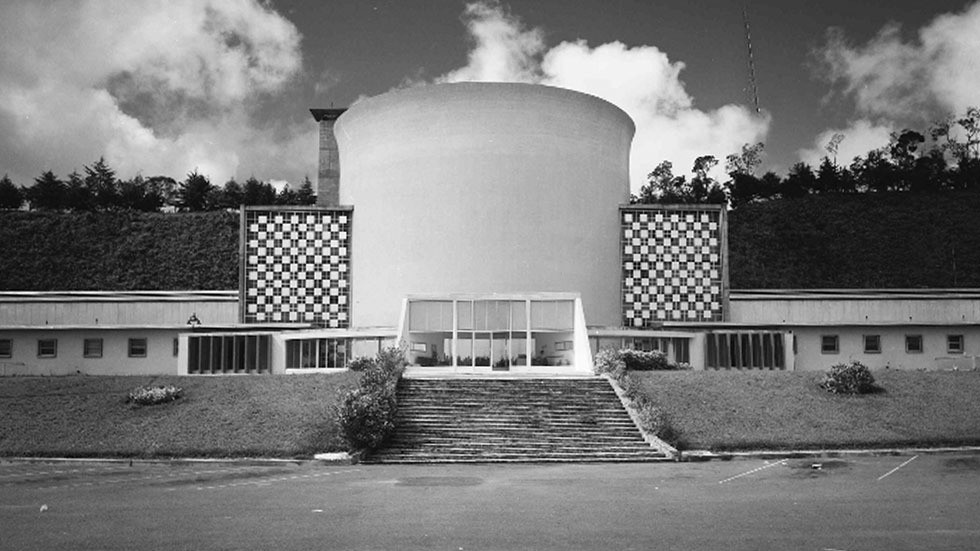
Washington announced on Friday that 13.5 kg (30 lb) of highly enriched uranium (HEU) has been removed from a legacy research reactor in Venezuela, calling the operation a “major security victory.” The United States Department of Energy (DOE) said the material, which dates from a Cold‑War‑era civilian reactor built under the Atoms for Peace programme, was transferred to the United States for processing and reuse. The DOE statement noted that the removal was coordinated with Venezuela’s Ministry of Science and Technology and signaled “a restored and renewed Venezuela.” It also praised President Donald Trump’s “decisive leadership” on the issue.
Relations between Washington and Caracas have recently been reset after U.S. forces detained Venezuelan President Nicolás Maduro in January on accusations of narcoterrorism. While the language surrounding the operation was dramatic, officials said the uranium had not been linked to any immediate proliferation threat. Non‑proliferation experts argue that any civilian HEU stockpile, regardless of size, poses a long‑term risk of theft, diversion, or illicit trafficking. The Venezuelan transfer mirrors dozens of similar HEU removal projects carried out over the past three decades under U.S. and International Atomic Energy Agency (IAEA) initiatives aimed at securing research reactors worldwide.
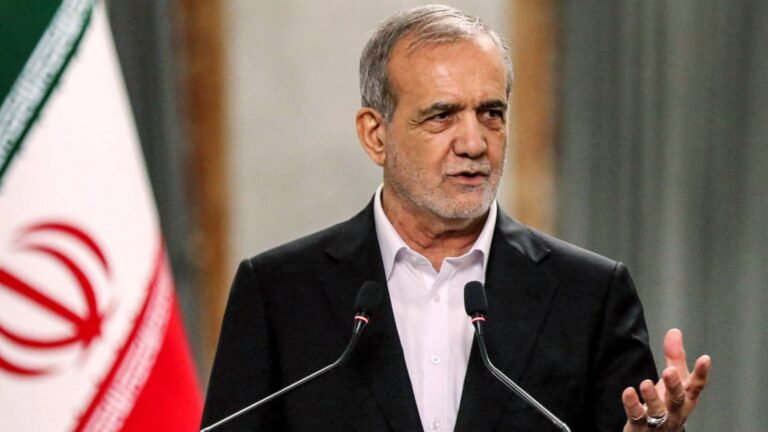
U.S. accusations against the Maduro regime have historically focused on drug trafficking and corruption rather than nuclear concerns. The timing of the announcement coincides with heightened tensions between Washington and Tehran over Iran’s much larger enriched‑uranium inventory, estimated at roughly 440 kg. The Trump administration has repeatedly demanded that Iran surrender, export, or dilute its HEU stockpile, impose a suspension of enrichment, and accept rigorous verification measures. Iranian officials have rejected these demands as “maximalist,” asserting that enrichment is a sovereign right under the Nuclear Non‑Proliferation Treaty.
The Venezuelan removal underscores the United States’ broader strategy of eliminating civilian HEU from vulnerable sites while it confronts larger non‑proliferation challenges elsewhere. Observers note that, although modest in scale, the operation reinforces Washington’s narrative of proactive security measures amid ongoing disputes over nuclear material in the region.


Comments are closed for this story.