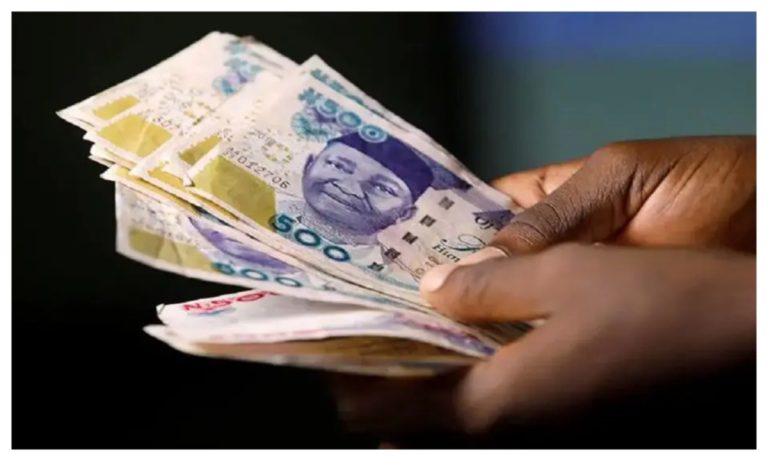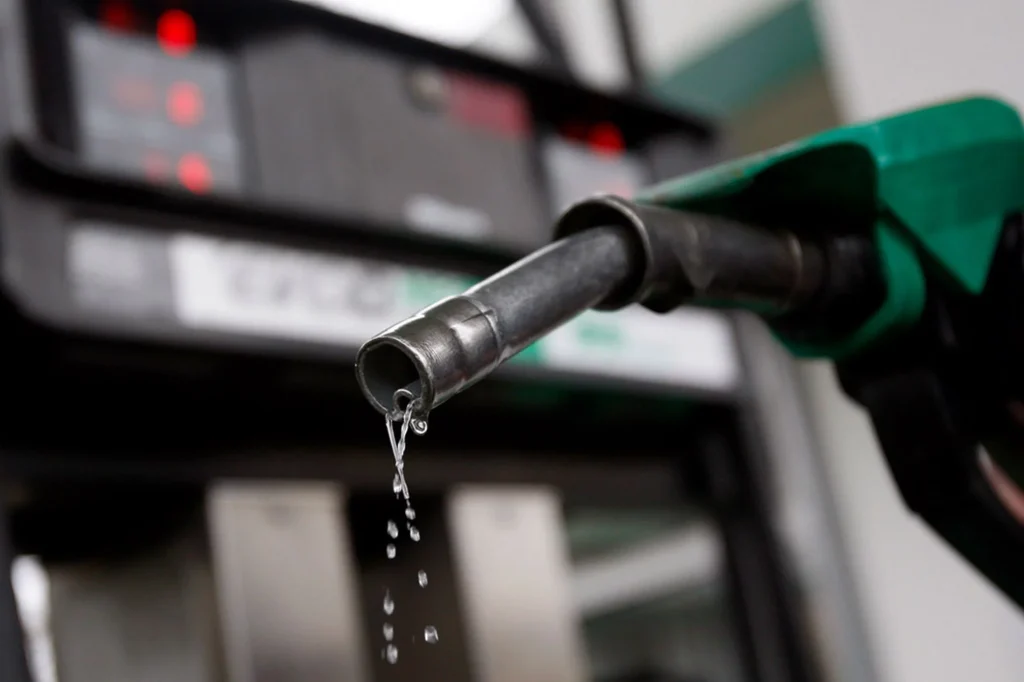
Nigerian filling stations in the Federal Capital Territory have lowered pump prices for gasoline in an effort to boost sales, according to a market survey conducted by Media Talk Africa on Thursday. The survey recorded that outlets operated by NIPCO, Eterna and Mobil in Abuja reduced their retail price for unleaded petrol to N1,350 per litre, down from the previous range of N1,365‑N1,370 per litre. The adjustment represents a cut of between N15 and N20 per litre.
Chinedu Ukadike, spokesperson for the Independent Petroleum Marketers Association of Nigeria (IPMAN), confirmed the price change and explained that the reduction is a competitive response to dwindling patronage. “Sometimes you have to incur a loss when customers are not coming, regardless of how much volume you purchase. We sacrifice part of our margin to see if we can generate sales and achieve a return on investment,” he told Media Talk Africa in an exclusive interview.
The price move comes amid ongoing volatility in the global oil market. The Brent crude benchmark and West Texas Intermediate (WTI) both fell on Thursday, each dropping roughly three percent to $99 and $93 per barrel, respectively. The decline follows more than two months of heightened geopolitical tension in the Middle East, which has kept fuel prices in Nigeria and elsewhere unsettled.
Domestic fuel pricing in Nigeria is typically influenced by a combination of global crude oil trends, exchange‑rate fluctuations, and government tax and subsidy policies. While the federal government sets a reference price for imported refined products, marketers retain discretion over final retail rates. As global crude prices ease, some distributors have begun passing on savings to consumers, though the extent of the pass‑through varies.
Industry observers note that the Abuja price reduction could pressure other regional stations to follow suit, especially if consumer demand remains sluggish. However, analysts caution that any further declines in international crude prices may be offset by rising import costs, currency depreciation, or adjustments to local taxes and levies, which could limit the durability of lower retail prices.
The IPMAN statement underscores the competitive dynamics within Nigeria’s fuel retail sector, where marketers balance profitability against market share. The recent price cuts are likely to be monitored closely by both consumers and policymakers as an indicator of market health and the effectiveness of price transmission from the global to the domestic level. As global oil markets continue to react to geopolitical developments, Nigerian consumers can expect further fluctuations in pump prices. Stakeholders will be watching for additional adjustments by marketers and any corresponding policy responses from the government.