
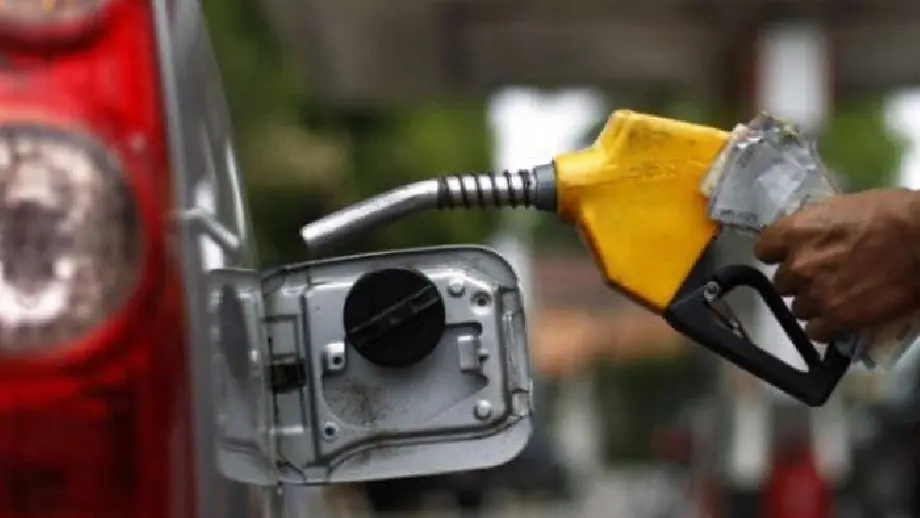
Petroleum product marketers and retailers in Nigeria are anticipating a fresh decline in retail petrol prices after the National Petroleum Corporation of Nigeria (NNPC) signed a memorandum of understanding (MoU) with two Chinese firms to revive the Port Harcourt and Warri refineries. The MoU, signed on 30 April 2026, involves Sanjiang Chemical Company and Xinganchen (Fuzhou) Industrial Park Operation and Management Co. Ltd. The agreement aims to support the completion of the long‑standing rehabilitation projects at the Port Harcourt and Warri refineries, both of which have been non‑operational for years.
The Port Harcourt facility was taken offline for scheduled maintenance in May 2025 and has not resumed production since, while the Warri and Kaduna refineries have remained shut despite combined investments of roughly US$43 billion over the past two decades. The shutdown of the state‑owned refineries has forced Nigeria to rely heavily on imported fuels and on the privately owned Dangote Refinery in Lagos, which now supplies the bulk of the nation’s refined petroleum products.
The renewed focus on domestic refining comes as global oil markets are strained by the ongoing Middle‑East conflict involving Iran, the United States and Israel. The war has helped push Brent crude to about US$112 per barrel and West Texas Intermediate to US$104 per barrel, prompting domestic fuel prices to surge to between N1,364 and N1,380 per litre—more than double the approximate N800 per litre level recorded in Abuja earlier in the year. Transportation costs have risen sharply as a result, deepening economic pressures for many Nigerians.
Billy Gillis‑Harry, national president of the Petroleum Products Retail Outlets Owners Association of Nigeria (PRROAN), welcomed the MoU, stating that the restart of the refineries would increase domestic refined‑product output and intensify competition, which should, in turn, lower prices for petroleum products such as PMS, AGO and aviation fuel. Chinedu Ukadike, spokesperson for the Independent Petroleum Marketers Association of Nigeria (IPMAN), echoed the sentiment but called for additional government measures. He urged the federal authorities to provide incentives for motorists and fund marketers, arguing that financial support would enable retailers to reduce pump prices more quickly.
The NNPC‑China partnership is viewed as a critical step toward reviving Nigeria’s indigenous refining capacity and reducing the country’s exposure to volatile international crude prices. Stakeholders will be watching the implementation of the MoU closely, as its success could shape fuel pricing trends and broader economic stability in the coming months.


Comments are closed for this story.