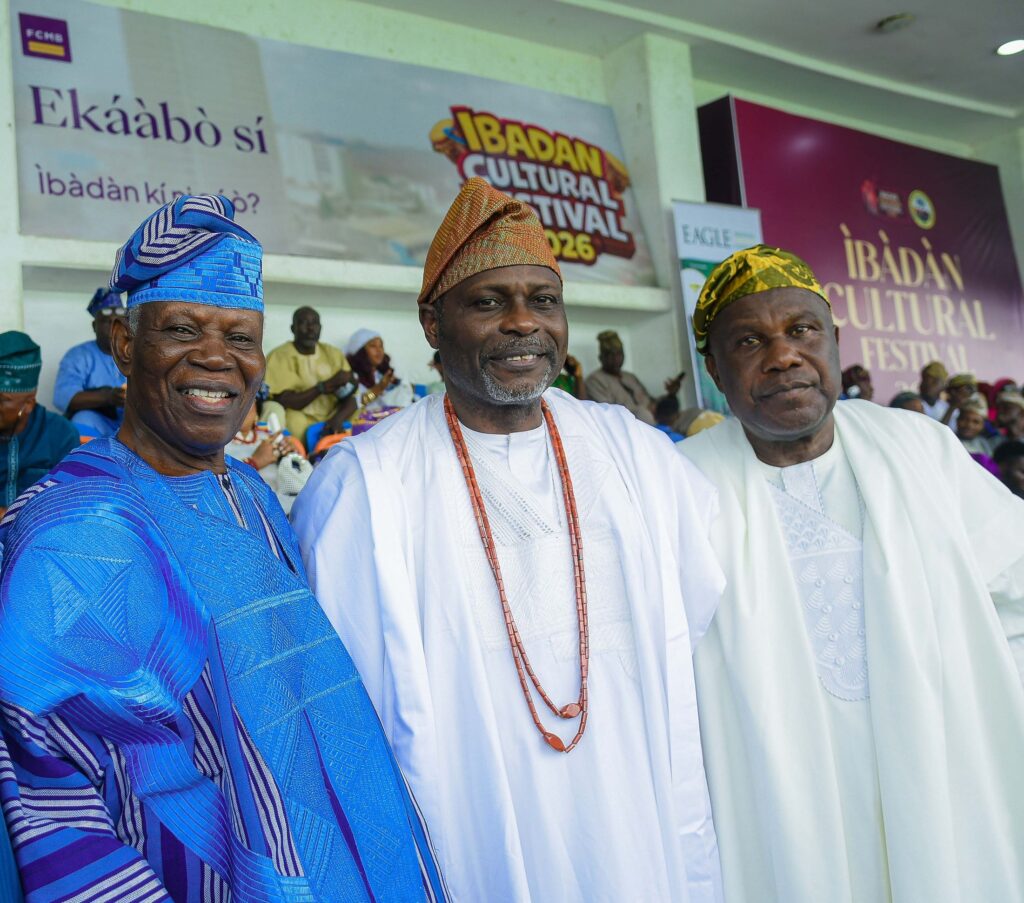
Ibadan’s 2026 Cultural Festival—an integration of heritage and commerce—attracted thousands of visitors, energized local businesses, and highlighted the city’s evolving cultural model. The three‑week Oke Ibadan Festival, organized by the Central Council of Ibadan Indigenes, ran from 1 to 21 May 2026. Rather than a loose series of performances, the program was structured around three pillars: culture, community, and enterprise.
Highlights included a conference on cultural entrepreneurship, vocational workshops, historical tours of the city’s seven hills, youth theatre productions, sports competitions, educational sessions, and a business dinner. Charity visits and medical outreach complemented the main events, while the grand finale incorporated traditional rites honoring the 44th Olubadan, His Imperial Majesty Oba Rashidi Ladoja, Arusa I.
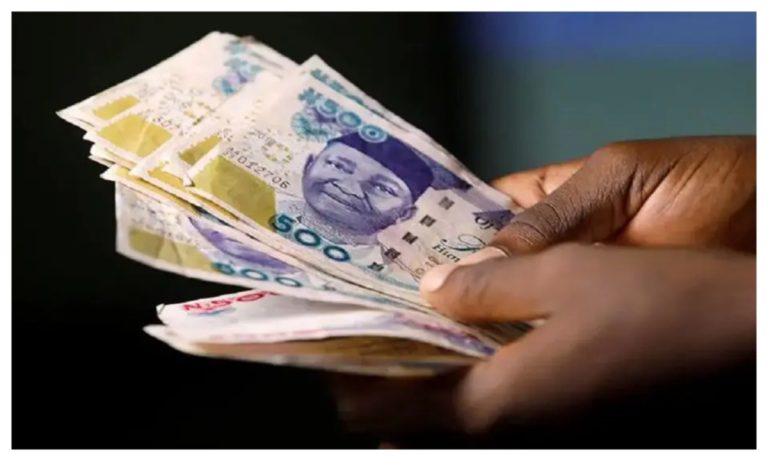
The economic impact was evident across the metropolis. Hotels reported a 27 percent rise in occupancy, transport operators noted increased demand, and markets, artisans, and small enterprises experienced higher sales. Members of the Ibadan diaspora returned for the festival, boosting tourism figures and underscoring the event’s role as a cultural‑economic bridge.
Chief Kola Karim, Chairman of Shoreline Group and Agbaoye of Ibadanland, described the festival as “a celebration of our deep cultural roots and a platform for driving economic activity in Ibadanland.” He highlighted the partnership with First City Monument Bank (FCMB) as a model for linking cultural programming with private‑sector investment. Ajeniyi Ajewole, President‑General of the Central Council of Ibadan Indigenes, stressed that the festival “supports local businesses, stimulates tourism and offers diaspora indigenes an avenue to reconnect and contribute to the city’s growth.”
Government support was confirmed at the state level. Musibau Babatunde, Secretary to the Oyo State Government, reiterated the administration’s commitment to expanding the festival’s reach and enhancing its contribution to regional development. The event also showcased Ibadan’s cultural assets—lineage systems, traditional institutions, and community‑based craft networks—positioning the city for broader cultural‑tourism initiatives such as heritage trails, community‑led experiences, and local‑product markets.
Organizers view the 2026 edition as a benchmark for a new model in which memory and ceremony are mobilized for contemporary relevance and economic value. As Ibadan continues to integrate its historic identity with modern enterprise, the festival serves as a conduit for cultural transmission, economic participation, and urban cohesion, signaling a sustainable pathway for the city’s cultural sector.