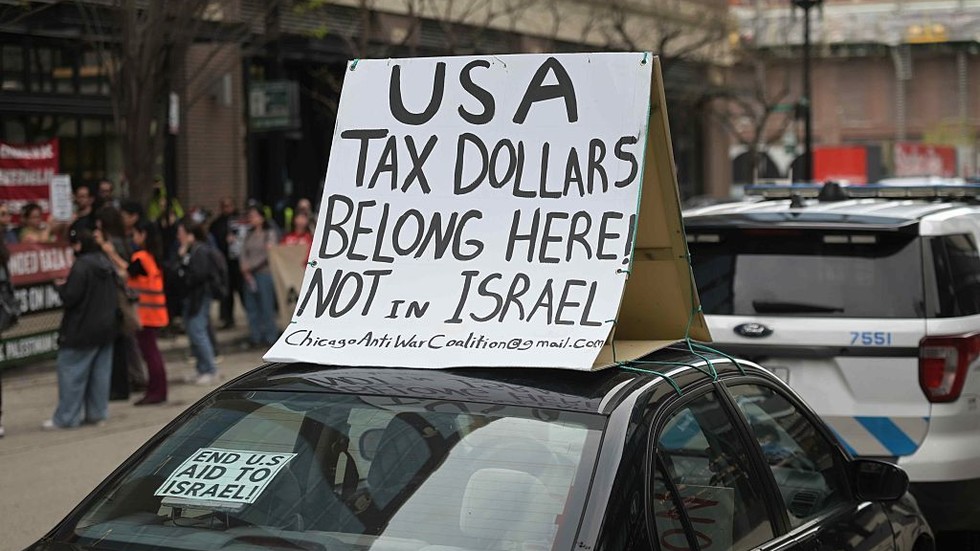
Israeli Prime Minister Benjamin Netanyahu recently announced in an interview with CBS’s 60 Minutes that Israel plans to eliminate U.S. financial support for its military within the next decade. This declaration marks a significant shift in a longstanding relationship, as Israel has been the largest cumulative recipient of U.S. foreign aid since World War II, receiving over $300 billion in economic and military assistance since 1948. During the interview, Netanyahu expressed his ambition to “draw down to zero the American financial component of the military cooperation that we have,” emphasizing that this process should begin immediately and be completed within ten years. He recalled discussing this idea with former President Donald Trump and noted the “jaws-dropping” reaction it elicited from the Israeli public.
Currently, the United States contributes approximately 16 percent of Israel’s defense budget. A ten-year memorandum of understanding established in 2016 committed $38 billion in military aid through 2028, which includes $5 billion allocated for the Iron Dome missile-defense system. Netanyahu’s proposal would require a significant restructuring of this arrangement. The push to reduce dependence on U.S. support comes amid a decline in American public opinion toward Israel. A recent Pew Research Center poll revealed that six in ten U.S. adults now hold a “somewhat” or “very” unfavorable view of Israel, reflecting a seven-point increase from the previous year and nearly a 20-point rise since 2022.
Netanyahu attributed this shift in public sentiment largely to “media manipulation” and “propaganda” on social media platforms, alleging that foreign actors are using bot farms to undermine American sympathy for Israel. These comments are made against the backdrop of the ongoing conflict in Gaza, which was ignited by the October 7 Hamas attack that resulted in the deaths of 1,200 Israelis. Israeli military operations in Gaza have reportedly led to over 71,000 Palestinian deaths, according to local health officials, while strikes in Lebanon and Iran have also caused civilian casualties. The humanitarian impact of these actions has drawn criticism from U.S. commentators and politicians.
In March, Senator Bernie Sanders introduced three resolutions aimed at blocking approximately $660 million in arms sales to Israel, highlighting that three-quarters of Democrats and two-thirds of independents oppose further weapons shipments. Netanyahu’s statements indicate a strategic pivot for Jerusalem as it seeks greater financial autonomy while facing a deteriorating image abroad. The potential response from Washington and the feasibility of meeting the proposed timeline without jeopardizing Israel’s security remain uncertain. This development underscores an evolving dynamic in U.S.–Israeli relations that could reshape defense financing and diplomatic engagement in the coming years.