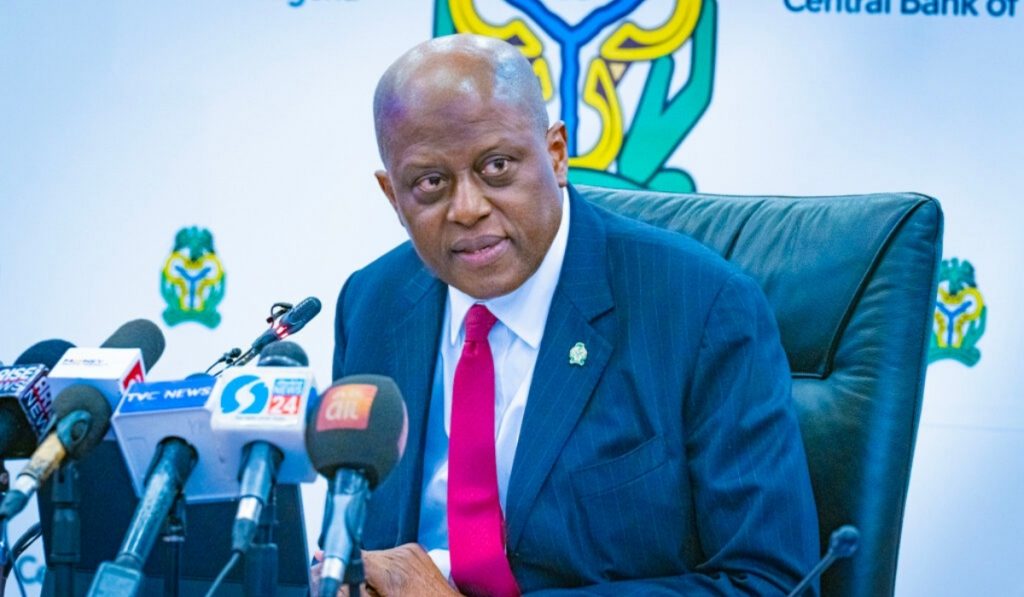
The Central Bank of Nigeria (CBN) has issued a warning to state governors regarding the potential impact of erratic fiscal policies at the sub-national level on the country’s inflation-targeting agenda. This caution was conveyed during a recent meeting between the apex bank and the Nigerian Governors Forum (NGF), where both parties reaffirmed their commitment to enhancing coordination on measures aimed at achieving price stability.
During the meeting, Muhammad Abdullahi, the Deputy Governor for Economic Policy, highlighted that Nigeria’s transition to an inflation-targeting regime represents a significant advancement toward a more transparent, rule-based, and forward-looking monetary policy framework. While the CBN possesses the primary tools for managing inflation, Abdullahi noted that fiscal decisions made by state governments can greatly influence inflation outcomes. He stated, “Inflation targeting hinges on managing public expectations,” and cautioned that expansionary or poorly coordinated fiscal actions by sub-national governments could undermine the effectiveness of monetary policy.
Abdullahi elaborated on the various channels through which state behavior affects price dynamics. These include borrowing trends, rising domestic debt, spending patterns, wage commitments, capital project execution, salary arrears, contractor financing, overdrafts, and inadequate coordination regarding Federation Account Allocation Committee (FAAC) receipts, debt servicing, and cash management. He warned that persistent, unpredictable, or expansionary fiscal conduct at the state level could “significantly undermine price stability” under the new inflation-targeting regime.
The CBN’s message underscores the necessity for a collaborative fiscal-monetary partnership to anchor inflation expectations and achieve the target range set by the central bank. Abdulateef Shittu, the director general of the NGF, welcomed this engagement and commended the CBN’s strategic foresight in involving governors in the discussion. This dialogue reflects a broader initiative to align sub-national budgeting with national macroeconomic objectives.
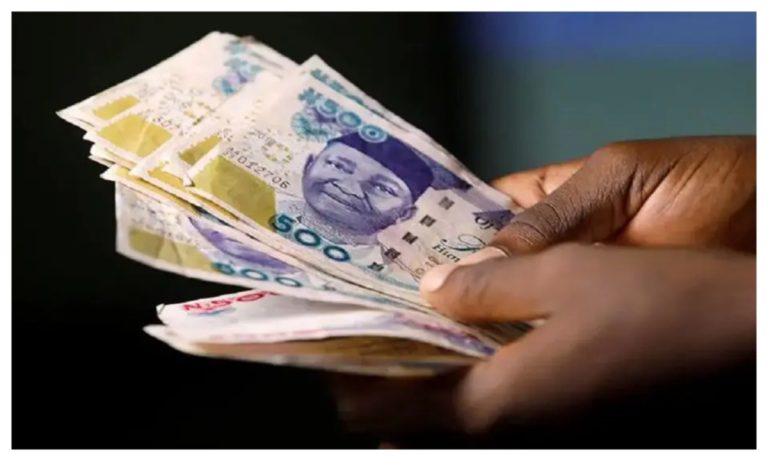
As of March 2026, Nigeria’s headline inflation had eased to 15.38 percent, while food inflation stood at 14.31 percent—both figures remaining significantly above the central bank’s target band. This situation illustrates the delicate balance policymakers must maintain; although the CBN can adjust interest rates and liquidity, state-level fiscal expansion can counteract these measures, prolonging high price pressures.
The interaction between the CBN and the NGF indicates a shift toward more disciplined fiscal practices across the federation. Analysts suggest that improved coordination could help mitigate inflationary spirals, enhance the credibility of the inflation-targeting framework, and support broader macroeconomic stability. Moving forward, the central bank is expected to closely monitor state borrowing and spending, while the NGF is likely to reinforce adherence to the FAAC allocation formula and promote better cash management practices among governors. The success of this collaborative approach will be crucial in determining whether Nigeria can reduce inflation to sustainable levels and preserve the purchasing power of its citizens.