Tunde Adeyemi, a civil servant residing in Yaba, recently faced a pressing challenge when he learned that his daughter would be barred from attending school due to unpaid fees. With his monthly salary not due for another seven days, he found himself in a difficult position. After reaching out to friends for assistance and exploring traditional bank loan options, he encountered obstacles such as extensive paperwork, lengthy approval times, and uncertainty regarding collateral requirements.
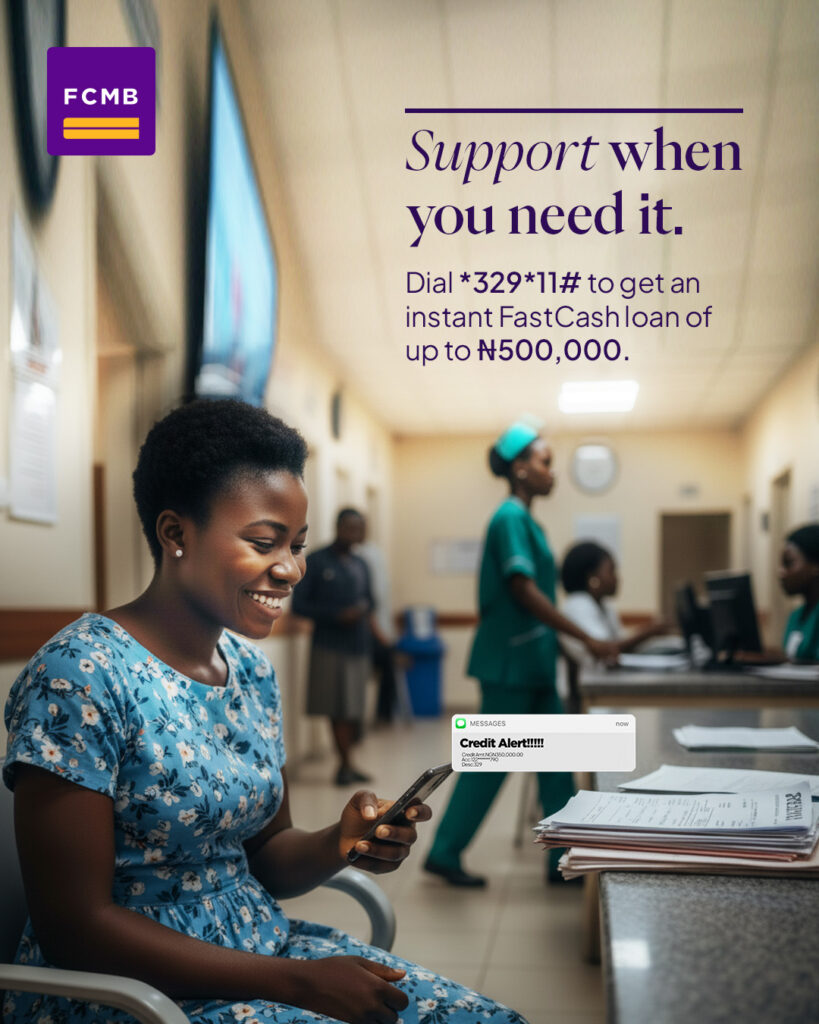
In a bid to find a quicker solution, Adeyemi turned to his smartphone for alternatives. Within hours, he discovered a “FastCash” product available through the FCMB mobile app. The application process was straightforward, requiring only basic personal information and a verified phone number. To his relief, he received an approval decision within minutes, and the loan was disbursed directly to his account. This timely access to funds allowed him to pay the school fees and prevent his daughter’s suspension. Adeyemi’s experience is indicative of a broader trend among Nigerians who are increasingly relying on instant digital loans to address sudden financial pressures, including medical emergencies, overdue rent, and cash-flow gaps for small businesses.
A recent survey by the Central Bank of Nigeria revealed that over 40 percent of adults have utilized some form of digital credit in the past year. Many are drawn to these loans due to their speed, convenience, and the absence of traditional collateral requirements. Digital lenders claim that their platforms leverage alternative data—such as mobile phone usage, utility payments, and social media activity—to quickly assess creditworthiness. This innovative approach reduces reliance on formal credit histories, thereby extending credit access to previously underserved segments of the population. However, critics caution that the ease of access may lead to over-borrowing, particularly when borrowers do not fully grasp the repayment terms.
Recognizing these concerns, financial regulators have taken steps to enhance consumer protection. In February, the Nigerian Securities and Exchange Commission introduced new guidelines aimed at promoting transparency and responsible lending practices. These guidelines mandate clear disclosure of interest rates and fees for online loan products, as well as the provision of repayment calendars and avenues for dispute resolution.
For consumers like Adeyemi, the benefits of digital loans are evident. He expressed his relief, stating, “I was worried my daughter would miss a whole term. The digital loan saved the day, and I could pay it back from my next salary without any hassle.” Industry analysts anticipate continued growth in this sector as smartphone penetration increases and more Nigerians adopt cashless payment methods. Chinyere Okonkwo, a fintech consultant based in Abuja, emphasized that “instant digital loans fill a critical gap in the financial ecosystem, especially for urgent, low-value needs. When coupled with robust regulatory oversight, they can enhance financial inclusion without compromising consumer protection.”
As the market evolves, experts advise borrowers to compare offers, read terms carefully, and only borrow what is necessary. Proper budgeting and timely repayment can improve credit scores, potentially unlocking larger and more affordable credit lines in the future. Adeyemi’s situation highlights how technology is transforming access to credit in Africa, providing essential support when traditional banking options fall short. The challenge for both regulators and lenders will be to ensure that this model can sustain responsible growth while protecting vulnerable borrowers.