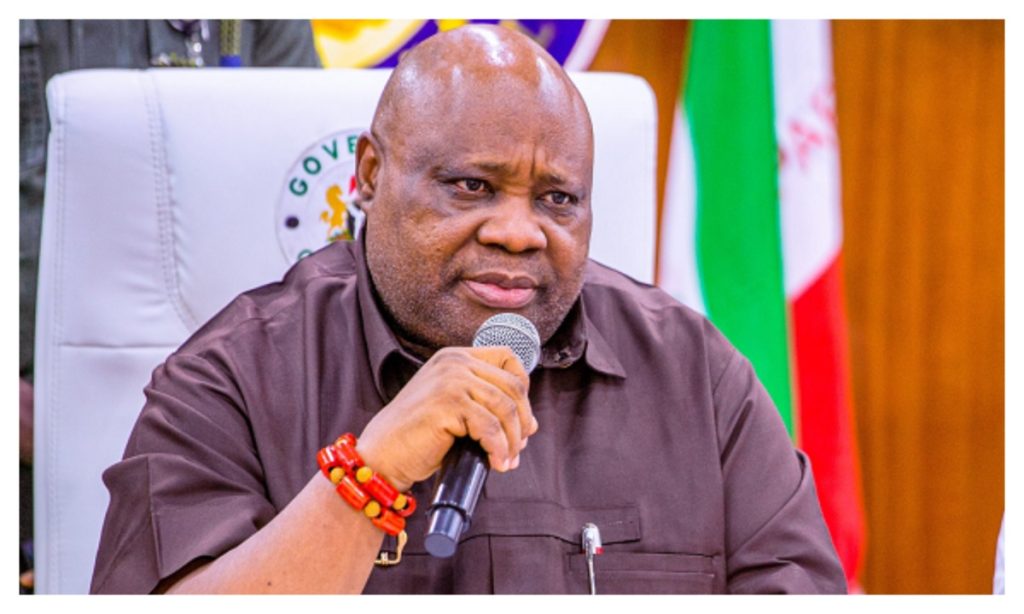
Osun State Governor Ademola Adeleke has officially removed Joseph Oloyede from his position as the Apetu of Ipetumodu. This decision follows Oloyede’s conviction in the United States for alleged fraud related to COVID-19 relief funds. In a statement released on Monday, Olawale Rasheed, the governor’s media aide, confirmed that the traditional ruler was stripped of his title after a U.S. federal court sentenced him to 56 months in prison. The conviction, which occurred in August 2025, was based on charges that Oloyede participated in a scheme to defraud the U.S. government of approximately $4.2 million in pandemic assistance.
The decision to depose Oloyede aligns with the state government’s commitment to upholding the integrity of traditional institutions. Although Governor Adeleke’s office did not provide specific details regarding the process of Oloyede’s removal, it emphasized that the action reflects a dedication to ethical leadership in both public office and cultural hierarchies. The Apetu of Ipetumodu holds significant cultural and social influence in Osun State, making Oloyede’s removal a notable development in local governance and the broader conversation about accountability among Nigerian traditional rulers.
Legal filings reveal that the United States Department of Justice pursued the case based on allegations of misappropriation of funds allocated under the Coronavirus Aid, Relief, and Economic Security (CARES) Act. Prosecutors claimed that Oloyede and his co-defendants orchestrated a series of transactions aimed at siphoning money intended for pandemic relief, ultimately resulting in a $4.2 million loss for the U.S. Treasury.
While the Osun State government has not provided a timeline for appointing a successor to the Apetu’s throne, officials have indicated that a thorough vetting process will be conducted to ensure that the next incumbent meets the ethical standards expected of a traditional leader. The governor’s office has also urged other Nigerian monarchs to adhere to the rule of law and maintain transparency in managing communal resources.
This case highlights the growing intersection between traditional authority and modern legal frameworks in Nigeria. Observers note that the removal of a monarch based on a foreign conviction is relatively unprecedented, underscoring the increasing scrutiny on leaders who navigate both cultural roles and international business dealings. As the situation develops, attention will focus on how the Osun State administration addresses the vacancy and whether other traditional institutions will implement similar measures in response to legal transgressions by their chiefs.

!['Sex toy is an equipment to help marriage, not sin' - Apostle Aghasedo [VIDEO]](https://mediatalkafrica.com/wp-content/uploads/2026/08/Apostle-Joshua-Aghasedo-Sex-Toys-Not-Sin-for-Married-Couples-768x509.jpg)