**Buhari Yusuf Calls Zoning “Undemocratic” Ahead of 2027 Presidential Race**
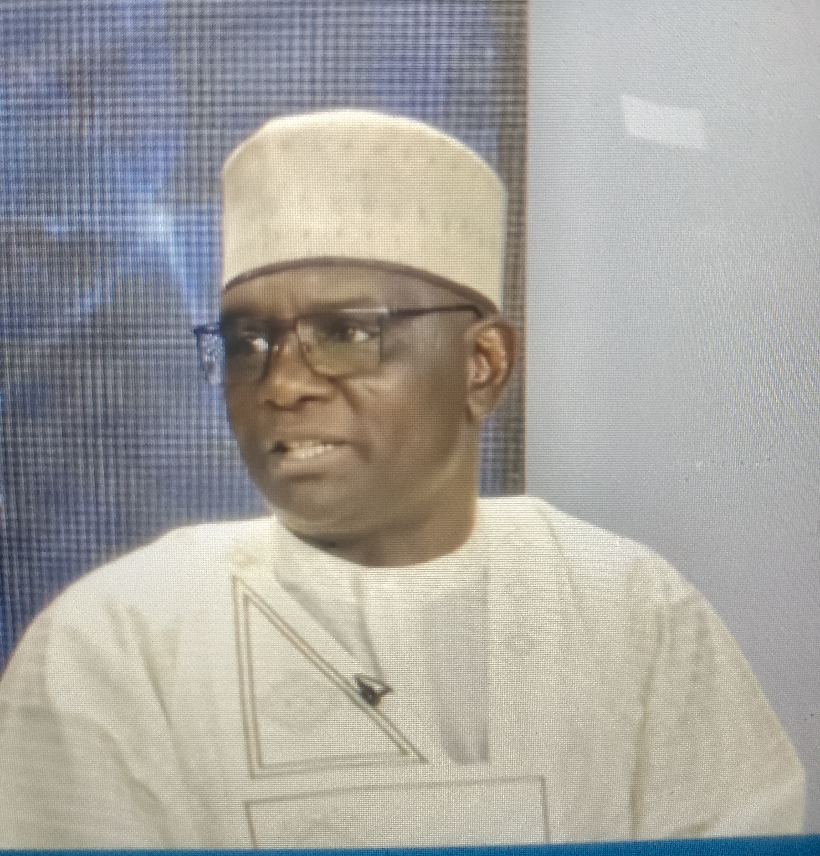
LAGOS, May 11 — Legal practitioner and public affairs analyst Buhari Yusuf argued on Monday that the practice of zoning the Nigerian presidency fundamentally contradicts democratic principles. During an interview on Trust TV, Yusuf stated that the concept has been consistently rejected by Nigeria’s constitutions and warned that it could undermine the credibility of the upcoming 2027 general elections.
In his discussion with the presenter, Yusuf traced the origins of the zoning debate back to the post-independence era. He noted that the 1979 Constitution, widely regarded as the most influential constitutional document in Nigeria’s history, made no provision for rotating the highest office among the country’s geopolitical zones. “All subsequent constitutional developments have continued to reject zoning,” he asserted, emphasizing that the notion has never been enshrined in any legal framework.
Yusuf characterized zoning as a “ceasefire in democracy,” describing it as a temporary suspension of genuine competition that resurfaces whenever elections approach. “It does not solve the problem; rather, it increases the tempo,” he said, suggesting that enforced geographic rotation creates, rather than resolves, political tension.
The analyst further explained that democracy presupposes voters’ freedom to choose from a range of candidates, rather than having those choices pre-sorted by region. “When you compartmentalize options along geographical lines, you strip citizens of the right to select among multiple offers,” Yusuf argued. He cautioned that such a system “obviates” the fundamental democratic right of choice, turning the electoral process into a façade rather than a true expression of the popular will.
Yusuf’s comments come amid renewed calls from various political factions to adopt a zoning arrangement for the 2027 election, a practice that has been informally observed in previous electoral cycles. Proponents argue that rotating the presidency among the North, South-west, South-east, and South-south can promote national unity and prevent perceived marginalization. In contrast, critics contend that zoning contravenes constitutional provisions and undermines merit-based competition.
While Yusuf’s remarks reflect a legal perspective, they also resonate with a broader civil society debate about how to balance inclusivity with constitutional fidelity. He acknowledged the desire for equitable representation but insisted that any such goal must be pursued within the bounds of the law. “The concept has been rejected since the creation of Nigeria,” he reiterated, urging political actors to seek reforms that respect both democratic choice and national cohesion.
His statements have sparked discussions across social media platforms, with commentators highlighting the tension between traditional power-sharing arrangements and the legal imperatives of a modern democracy. Some users welcomed Yusuf’s call for a constitutionally anchored electoral process, while others cautioned that ignoring regional sensitivities could exacerbate ethnic and regional rivalries.
As Nigeria approaches a critical electoral juncture, Yusuf’s critique adds a legal dimension to the ongoing conversation about zoning. Whether lawmakers will reconsider the practice in light of such arguments remains uncertain, but the debate underscores the delicate task of reconciling Nigeria’s diverse federal structure with the universal standards of democratic governance.