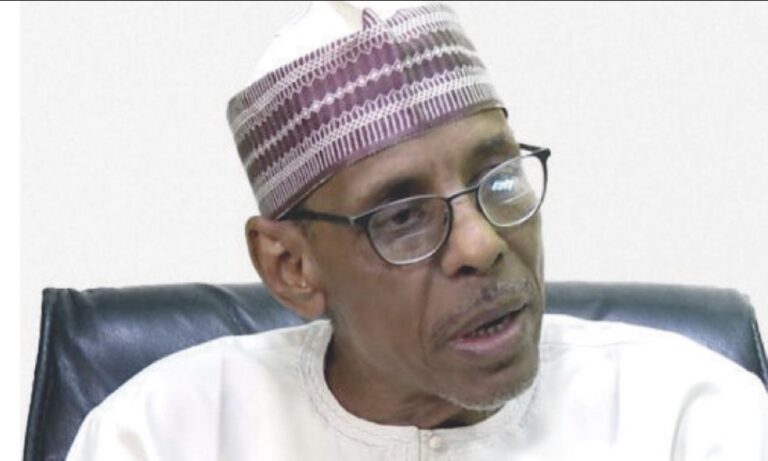
Buhari Yusuf, a public affairs analyst, issued a warning on Monday regarding the political alliance between former presidential candidates Peter Obi and Rabi’u Kwankwaso. This partnership, which revolves around the concept of a single-term presidency, could pose significant risks to Nigeria’s democratic landscape. In an interview with Trust TV, Yusuf discussed the implications of this emerging alliance in the context of the upcoming 2027 general elections. He characterized the “Obi-Kwankwaso calculation” — the belief that a four-year tenure would act as a placeholder for the northern establishment before a power shift — as “dangerous” for the country.
Yusuf argued that the idea of limiting the presidency to a single term, often framed as a politically correct measure, is fundamentally misguided. He suggested that Obi’s support for a one-term arrangement may stem from a perception that the current political environment is “asphyxiated,” leaving little room for effective governance. Furthermore, Yusuf expressed broader concerns about the health of Nigeria’s democracy, stating, “The lack of a wider parameter for democratic operation is worrying.” He cautioned that the electorate might encounter “a serious butter-up party,” as political actors could resort to flattery and manipulation to secure votes.
The analyst noted that the ruling All Progressives Congress (APC) is acutely aware of Nigerian voter psychology, particularly the tendency to be attracted to novelty. “The APC knows that voters are drawn to new ideas, so they will likely craft a narrative that appeals to that sentiment,” Yusuf explained, likening this strategy to a lover’s overtures aimed at winning affection. His comments come at a time when the 2027 election calendar is beginning to take shape and political coalitions are being tested.
The Obi-Kwankwaso partnership, which emerged after both candidates lost the 2023 presidential race, has been presented as an effort to consolidate opposition strength. However, its focus on a single-term transition raises questions about long-term governance plans. Observers will be keen to see how the alliance’s agenda resonates with voters, especially in a climate where the electorate’s desire for change is tempered by concerns over political stability. Yusuf’s cautionary note underscores the stakes of the upcoming electoral contest and the potential ramifications of the “single-term” narrative for Nigeria’s democratic trajectory.