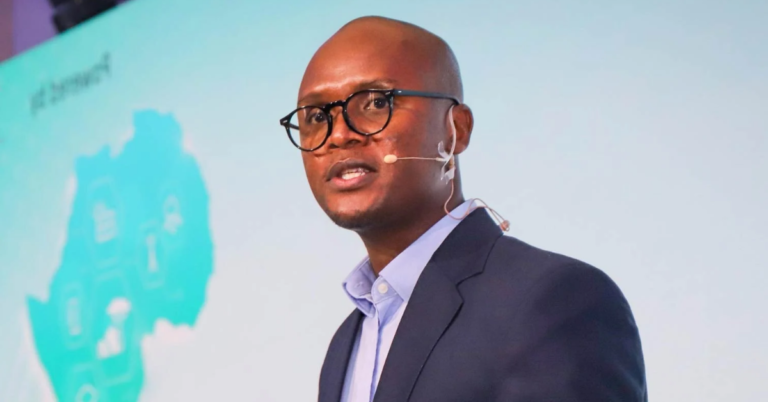
Neil Batlivala’s company, Pair Team, has been selected for the Centers for Medicare & Medicaid Services (CMS) ACCESS program, a ten‑year initiative that will test AI‑driven, outcome‑based payment models for chronic‑care management at federal scale. The announcement came on 30 April, and the program is slated to launch on 5 July.
ACCESS – Advancing Chronic Care with Effective, Scalable Solutions – will enroll 150 participants, ranging from AI‑powered clinical platforms to wearable manufacturers. Under the new model, organizations receive a predictable payment for managing qualifying conditions such as diabetes, hypertension, chronic kidney disease, obesity, depression and anxiety. Full reimbursement is contingent on patients meeting defined health targets, for example reduced blood pressure or lower pain scores. This shifts Medicare reimbursement away from traditional fee‑for‑service billing, which compensates only for clinician time, and creates a mechanism to pay for continuous, AI‑mediated support such as remote monitoring, medication adherence checks and social‑service referrals.
Batlivala, who founded Pair Team in 2019, said the change “is a payment model transformation – you just couldn’t do this before.” The company focuses on adults with chronic illnesses who also face housing instability, food insecurity or transportation barriers, a demographic that makes up roughly one‑third of the U.S. population. Pair Team now employs about 850 clinical staff, operates the largest community‑health workforce in California, and has generated nine‑figure revenue after raising roughly $30 million from investors including Kleiner Perkins, Kraft Ventures and Next Ventures.
Peer‑reviewed research published in the Journal of General Internal Medicine documented the company’s community‑integrated approach, showing higher patient engagement and a significant drop in avoidable emergency‑room and inpatient visits. Batlivala estimates that, while his company’s patients are enrolled, one in four hospitalizations and one in two ER visits are avoided.
Scaling such results has long required extensive human labor. Nine months ago Pair Team introduced Flora, a voice‑AI agent that serves as the primary patient‑facing interface, handling intake, referrals and daily check‑ins around the clock. Batlivala recounted a recent interaction with a 67‑year‑old woman living in her car, managing PTSD and congestive heart failure. She spoke with Flora for more than an hour, and the conversation proved both “incredible and depressing,” highlighting AI’s potential to provide companionship and continuity of care.
The architects of ACCESS – Abe Sutton, director of the CMS Innovation Center, and Jacob Shiff, the center’s chief AI and technology officer – bring startup experience to federal policy. Their design emphasizes outcome‑based payments, direct‑to‑consumer enrollment and competition among participants.
The program does carry risks. Sensitive patient data, including details about housing and mental health, will be processed through a federal infrastructure with a history of breaches. Financial uncertainty also looms: a 2023 Congressional Budget Office analysis found that past CMS Innovation Center initiatives increased federal outlays without delivering projected savings. Moreover, CMS is paying less per patient per month than many participants anticipated, favoring organizations that have fully automated patient interactions.
Batlivala views lower reimbursement as intentional. “If you want to build a model that truly incentivizes the use of AI, the rates have to be low,” he said. “The economics only work if you’re running a lean, AI‑first operation.”
Pair Team reports partnerships that could give it access to approximately 500,000 patients, with a goal of reaching one million within three years. As digital‑health funding continues to rise, especially for AI‑enabled solutions, the ACCESS pilot may signal a shift in how chronic‑care services are financed and delivered, both in the United States and in emerging markets that watch Medicare’s innovations closely.