
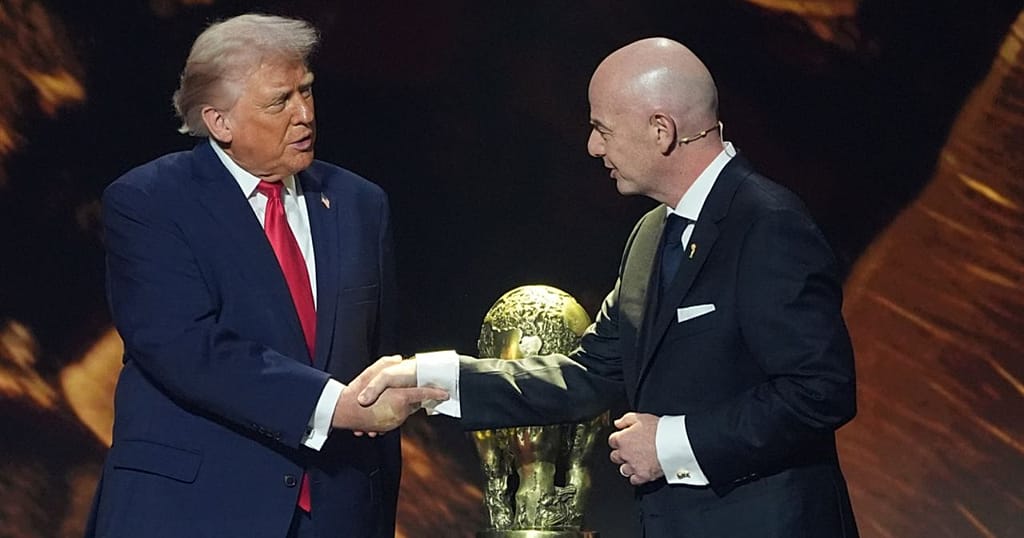
The United States has announced that it will waive the $15,000 visa deposit that was previously required of football fans from 50 designated countries who travel to the 2026 World Cup, provided they hold a valid match ticket. The decision was confirmed by Mora Namdar, Assistant Secretary of State for Consular Affairs, who told the BBC that “we are waiving visa bonds for qualified fans who bought World Cup tickets.”
The waiver applies to supporters from five African nations – Algeria, Cape Verde, Ivory Coast, Senegal and Tunisia – all of which have qualified for the tournament that will be co‑hosted by the United States, Canada and Mexico from 11 June. The bond, introduced in 2023 as a measure to curb visa overstays, required travellers from certain countries to pay a refundable deposit that was returned at the end of their visit. Until now, the exemption covered only players and team officials; fans with tickets are now included in the pilot programme that began in August as part of a broader set of immigration controls.
FIFA welcomed the move, noting that it reflects “ongoing cooperation with US authorities to ensure a successful tournament.” Nonetheless, the United States maintains restrictions on some nationals. Citizens of Iran and Haiti remain barred from entry, although athletes and team officials from those countries are exempt for World Cup purposes. Ivory Coast and Senegal also face partial travel limitations under the expanded rules.
In parallel, the State Department has proposed a new requirement that certain visa applicants disclose up to five years of social‑media activity. Rights groups warn that the measure could increase scrutiny of travellers, heighten the risk of denied entry and raise concerns about privacy and discrimination – issues that may affect World Cup visitors as well.
The visa‑bond waiver removes a significant financial barrier for African fans eager to attend matches in North America, potentially boosting attendance and supporting the tournament’s global appeal. As the event approaches, the United States is likely to continue refining its entry policies, balancing security objectives with the logistical demands of hosting the world’s biggest football spectacle. Future updates will clarify how the social‑media disclosure rule will be implemented and whether additional waivers or restrictions will be introduced before the tournament kicks off.


Comments are closed for this story.